

How to Remove Pollen From Car Paint Safely

Updated: Sep 15
How to Remove Pollen From Car Paint Safely
Yellow pollen can quickly blanket a car during a Mississippi spring, but wiping it away dry can drag abrasive particles across the clear coat. The safest approach starts with plenty of water and as little paint contact as possible.
How to remove pollen from car paint safely
To remove pollen without scratching car paint, rinse the vehicle thoroughly before touching it. Wash remaining residue with car-safe soap and a clean mitt, then rinse again and dry gently. Never wipe dry pollen, because trapped grains can drag across the clear coat.
Pollen may look like soft yellow dust, but it can be hard on your car paint. These tiny grains act like small rocks when they land on your vehicle. If you do not handle them right, you could leave marks in your clear coat. Knowing how to remove pollen from car paint is key to keeping your car looking new.
The danger of dry wiping
One of the worst things you can do is wipe dry pollen with a cloth. Dry pollen is rough and acts like sand when you drag it across the paint. This physical contact can scratch your clear coat because the pollen particles are abrasive. Even a clean towel can trap the grit and pull it along the surface.
Always use a lot of water to rinse the car before you touch it. A high pressure rinse can help move most of the dust away without any rubbing. To keep your car in top shape, detailing services can help remove these stuck on bits safely.
The role of Gulf Coast humidity
On the Mississippi Gulf Coast, the air is often wet and salty. This humidity can change how pollen acts and makes cleaning more difficult. When pollen gets wet, it can burst into much smaller pieces. Research shows that pollen can break apart into tiny subpollen particles when it meets moisture.
The mix of salt air and high humidity in our area makes things worse. Wet pollen can stick to the car and form a thick layer. Once this layer dries in the sun, it creates a bond that soap might not break. You need to act fast before the coastal heat sets the pollen for good.
Why quick action matters
Pollen has a sticky coating that helps it cling to trees and cars. This same coating helps it bond to your paint and stay there. The longer it stays, the more likely it is to cause damage. Regular cleaning is the best way to stop this buildup.
Setting up steady car wash care helps you stay ahead of the yellow dust. If you wait too long, the pollen can start to pit the paint. This happens when the acids in the pollen react with the sun.
You should aim to rinse your car once a week when counts are high. If you park under trees, you may need to do it more often. A quick trip to an express wash is a smart way to keep paint safe.
Proper car care in a coastal spot needs a plan. By avoiding dry wiping and washing often, you protect your clear coat. This keeps your car shiny and helps it hold its value.
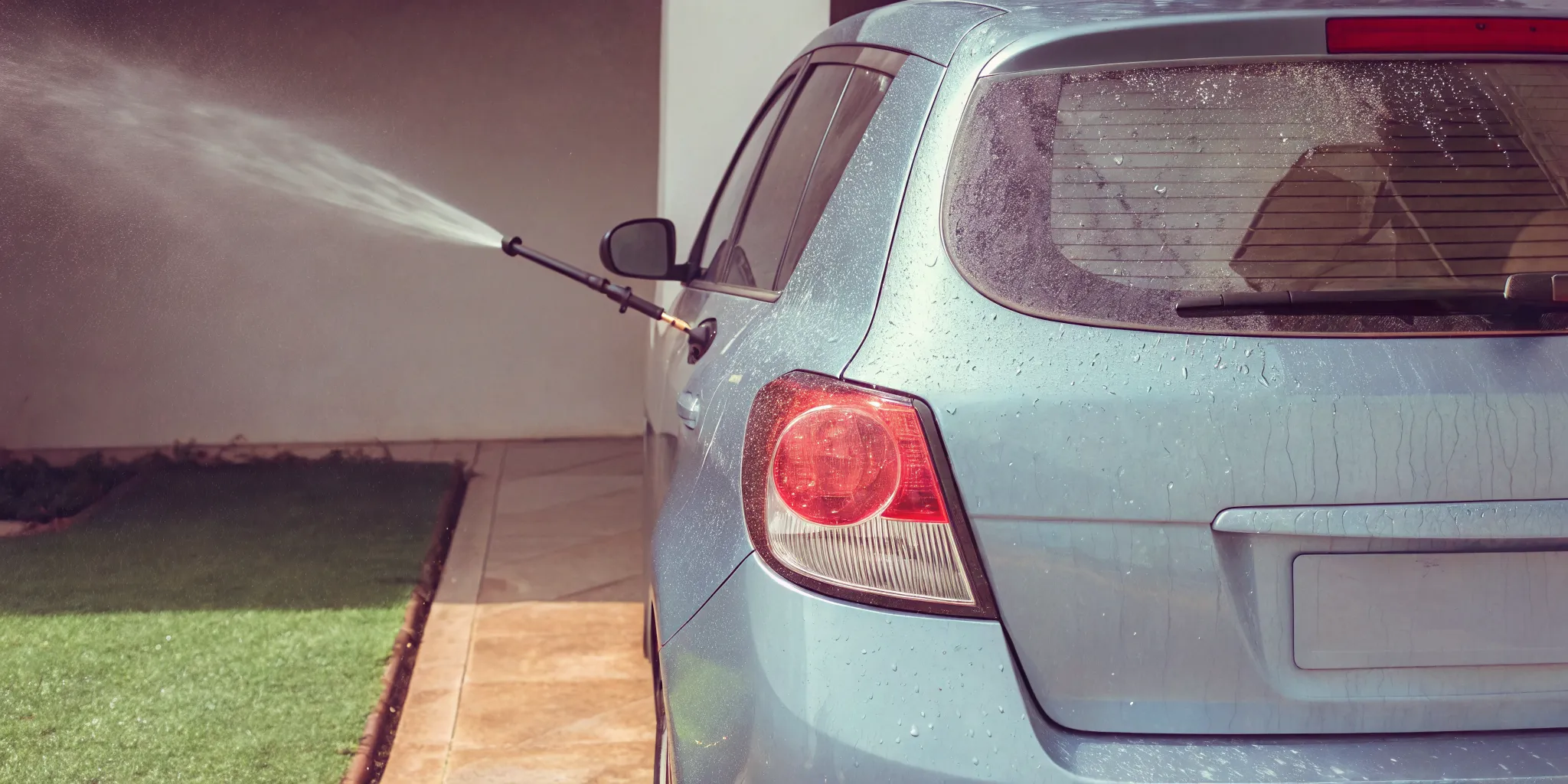
Rinse loose pollen away before making contact with the paint.
A step-by-step pollen removal method
Removing yellow dust from your car takes more than a quick splash of water. Pollen grains have a rough shape that can damage paint coatings if you drag them across the surface. To keep your car safe, you need a plan that lifts these tiny particles without scratching the clear coat. Using the right steps helps you protect your car's look during the peak bloom seasons on the Mississippi Gulf Coast.
Prep and pre-rinse
Never start by rubbing the paint. Dry pollen is abrasive, and wiping it with a cloth can leave fine scratches behind. Your first goal is to loosen the dust. Park in a shady spot so the metal feels cool to the touch. This stops your soap from drying too fast. A professional car detailing plan always starts with a deep rinse to clear away the grit before any hand contact.
Use a hose with a high-pressure nozzle to spray the entire vehicle. Start at the roof and work your way down to the wheels. This high-pressure rinse is the safest way to remove fresh pollen without touching the paint. Make sure to hit the window seals where dust often hides. This step gets rid of most of the loose yellow film so the next part of the wash is much safer.
Safe washing technique
Once you rinse the car, use a high-foaming soap to lift the remaining dust. Stick to pH-balanced car shampoos that protect your wax or sealants. These soaps provide the slip needed to glide over the paint. Avoid dish soaps or home cleaners, as they can strip away the oils that keep your paint healthy. Using regular wash routine via a club membership can make this process easier by keeping the surface slick and clean all year.
Use the two-bucket method to keep your wash mitt clean. Fill one bucket with soapy water and the second with plain water for rinsing. Dip your mitt in the soap, wash a small section, and then rinse it in the plain water bucket. This habit ensures you are always using a clean tool on your car. If you find sticky spots, a mix of half water and half vinegar can help break down stubborn pollen deposits without harsh chemicals.
- Cool the car:
Park in the shade and wait for the paint to cool so the water does not dry into spots.
- Deep pre-rinse:
Spray the car with high pressure from top to bottom to clear away loose particles.
- Mix soap:
Fill a bucket with pH-balanced car shampoo to create a thick, slick foam.
- Use two buckets:
Use one bucket for soap and one for rinsing your mitt to avoid moving grit back to the paint.
- Wash by section:
Start at the roof and wash small areas with a soft microfiber mitt to lift the dust.
- Final rinse:
Rinse the car again to clear away all soap and the last traces of yellow dust.
- Dry the paint:
Use a clean, plush microfiber towel to pat the surface dry and prevent water spots.
Protecting the finish
The best way to deal with pollen is to stop it from sticking in the first place. A smooth surface makes it hard for dust to bond to the paint. Applying a wax or sealant creates a slick shield that lets dust slide off during a rinse. For even better results, a ceramic coating acts as a glass-like barrier that simplifies maintaining your car appearance during the spring. These coatings are ideal for the heat and salt air found on the Coast.
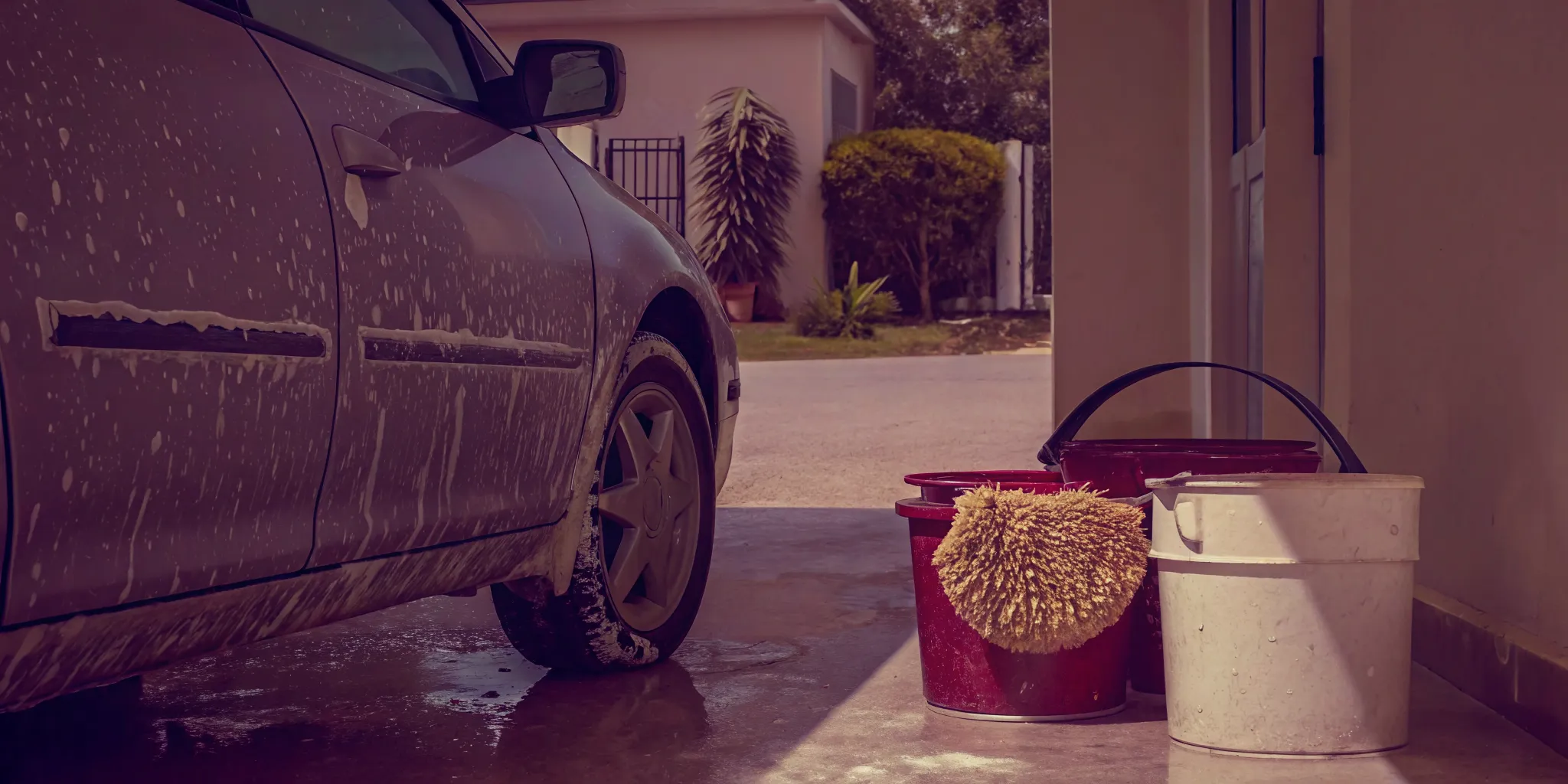
Clean tools and car-safe soap help prevent grit from returning to the paint.
Which pollen removal methods are safe?
Pollen looks like soft yellow dust, but it is really quite rough. Each grain has tiny spikes that help it stick to plants. On your car, these grains act like small pieces of grit. Many drivers try to use a dry cloth or a duster to wipe them away. This is a bad idea for your paint. You need the right tools to keep your car safe.
Why dry dusting is risky
When you wipe dry pollen, you press those hard grains into the clear coat. As you move the cloth, you drag the grains across the surface. This causes fine scratches that dull your car's shine over time. Science shows that car paint layers are prone to damage from this type of stress. It is always better to avoid touching the car when it is covered in dry dust.
Using a dry brush or duster is just as bad. These tools do not lift the dust. Instead, they push it around. This creates a swirl effect in your paint that is hard to fix. You should always use water and soap to move these bits safely. Many drivers make this mistake because it looks fast. In the long run, it costs more to fix the paint.
The role of rinsing and hand washing
A high-pressure rinse is a good first step for any car. It helps to knock loose grains off the body without any physical touch. This is the safest way to start your cleaning work. You can use a hose or a power washer at a low setting. However, water by itself usually is not enough to get the job done.
Pollen has sticky oils that help it bond to your car. When it gets wet, it can even break into smaller pieces. These tiny bits can hide in small gaps and pores in your paint. To get a full clean, you should use the two-bucket hand wash way. This means using one bucket for soapy water and one for rinsing your mitt. Using soap with lots of foam helps to float the dirt away from the car. This stops you from rubbing the grit back into the finish. You should wash the car in the shade to keep the soap from drying too fast.
Expert washing for coastal cars
For many people on the Mississippi Gulf Coast, an expert wash is the easiest fix. Places like Biloxi and Gulfport face high humidity and salt air. This area makes pollen even stickier than usual. Expert washes use tools and soaps that are made to handle these local needs. They can remove thick layers of yellow dust in just a few minutes.
An expert wash also saves you a lot of time and work. You do not have to worry about buying the right soaps or buckets. Getting ongoing wash care is the best way to keep your car safe. Regular cleaning stops pollen from sitting on your paint for too long. This keeps your clear coat healthy and bright. You can enjoy a clean car without the back-breaking work of a home wash.
Method | Paint Safety | Effort Level | Best Use |
Dry Dusting | Very Low | Low | Never recommended |
Quick Rinse | Medium | Low | Removing loose dust |
Hand Wash | High | High | Deep cleaning at home |
Professional Wash | Very High | Very Low | Quick and safe cleaning |
How often should you rinse during pollen season?
Pollen season on the Mississippi Gulf Coast can turn your clean car yellow in just a few hours. Knowing how to remove pollen from car surfaces starts with timing. You do not always need a full soap wash. But you should rinse the dust away often. How often you do this depends on how much you drive and where you park.
Watch for daily yellow buildup
In peak spring months, a fresh layer of pollen can land on your paint every single day. If you park outside in Biloxi or Ocean Springs, you may see a thick yellow coating by the time you leave for work. You should try to rinse your car at least two or three times a week during these heavy times. A quick spray with a high-pressure hose helps to blow away loose dust. This way, you do not have to touch the paint.
Never try to wipe the dust off with a dry cloth or your hand. Pollen grains are hard and have sharp edges that can act like sandpaper. Wiping dry pollen can leave tiny scratches in your clear coat. This makes the paint look dull over time. Rinsing often prevents these grains from piling up and sticking to the surface. It is the best way to keep your car looking good between full cleanings.
Rinse after light rain showers
Many drivers think a light rain shower will wash the pollen away for them. In reality, a small amount of water can make the problem worse. Moisture causes pollen grains to burst into much smaller pieces called subpollen particles. These tiny bits are more likely to stick to your paint. They can be harder to remove once the sun comes out and dries them.
A light rain may get the car wet but not wash it clean. You should rinse the car as soon as the storm passes. This stops the pollen from turning into a sticky paste. That paste bakes onto your car in the heat. Getting the grit off quickly protects your paint from long-term damage caused by these small bits. A fast rinse is a simple step that saves you from a much bigger cleaning job later.
Deal with salt and pollen mix
Living near the coast means your car deals with more than just tree dust. The salt air and high humidity in our area can mix with pollen to create a harsh layer. This mix can trap moisture against your paint. This may lead to spots or even rust over time. To fight this, you should consider routine paint care to keep your vehicle safe from coastal weather.
If you live very close to the beach, you may need to rinse your car every other day. The salt helps the pollen stick. Then the heat makes it harder to clean. Keeping a fixed schedule ensures that this dirt never has a chance to sit for too long. If you do not have time for a full wash, a five-minute rinse at one of our shops can help a lot. It is the easiest way to protect your clear coat during the most stressful times of the year.
Do not overlook glass, trim, and the interior
Pollen does not just sit on the flat parts of your car. It finds its way into every small gap. If you only focus on the paint, you might miss spots that can lead to big issues later. You must clean the glass and trim. Also, clean the inside of your car to stay safe during the peak of the season.
Care for glass and wipers
A yellow film on your glass can make it hard to see when the sun hits it. This is not just a sight problem. Pollen grains can break into tiny subpollen particles when they get wet or hit moist air. These small bits are very sticky. They can clog your wiper blades and leave streaks across your view.
To fix this, do not just turn on your wipers. The dry dust can scratch the glass. Use a wet cloth to wipe the blades first. Then use a good glass cleaner to scrub the windshield. This removes the film and helps your wipers move smoothly. You can also get help from expert car detailing services to keep all your glass clear.
Clean trim and tight spots
Small gaps like door seams and the grille often hold the most dust. These areas act like traps for pollen. If you do not clear them out, the dust will blow back onto your clean paint as soon as you start to drive. A high-pressure rinse is often the best way to get into these tight spots without touching the car. It helps to knock the dust loose from mirrors and around the wheels.
Watch the rubber trim around your windows. Pollen can get stuck there and make the rubber dry out over time. When you wash your car, spend extra time on the front grille and the wheels. These parts are close to the ground where dust levels are high. Steady car wash care can make sure these spots do not get missed.
Manage your car interior
The air inside your car can also hold a lot of pollen. Every time you open the door, more dust gets inside. This can make you sneeze or give you itchy eyes while you drive. You should vacuum your seats and floor mats often to keep the dust down. Use a damp cloth to wipe the dash and other hard surfaces. Do not use a dry duster as it will just move the dust around.
Your car also has a cabin air filter. This filter stops dust from coming through the vents. During the spring, this filter can get full very fast. Most pros say you should check it once or twice a year. If you smell dust when you turn on the air, it might be time for a new one. Keeping the filter clean helps you breathe better and keeps the cabin fresh.
When should you use a professional car wash?
You might start with a quick rinse at home to manage light dust. But there are times when a home hose is not enough. Heavy pollen seasons on the Gulf Coast can cover your car in a thick, sticky layer. If you let this sit, it can bond to your paint. A professional wash uses expert tools and soaps to safely lift these bits away.
Handling heavy pollen buildup
Fresh pollen is light and easy to spray off. But once it mixes with morning dew or humidity, it turns into a gummy paste. This residue is hard to remove with a standard garden hose. Pro washes use high-pressure water and high-foaming soaps to break this bond. This helps prevent pollen abrasion that can happen when you try to scrub it by hand. If your car feels rough to the touch, it is time for a pro clean.
Pro tunnel washes are built to handle these heavy loads. They use cleaning agents made for our local climate. This is key for maintaining your car appearance during peak seasons. These systems can reach areas like under the wheel wells where pollen often hides.
When you have no time
Cleaning a car well by hand takes hours. You have to set up buckets, wash, rinse, and dry the surface. During a heavy pollen drop, you might need to clean your car twice a week. Most people do not have that kind of free time. A pro express wash can get the job done in just a few minutes. This speed makes it easier to stay on top of regular pollen-season washes without losing your weekend.
Using a local wash is also more helpful. You can stop by while you are out on chores or on your way to work. You do not need to pull out the hose or worry about water runoff in your driveway. It is a simple way to keep your car safe from seasonal harm.
Stubborn mess and detail needs
Sometimes pollen is not the only problem. It often mixes with salt air, bird droppings, or tree sap. These messes need more than just soap and water. Our professional car detailing services can tackle the most stubborn spots. We use ways that are safe for your clear coat and will not cause scratches. Pros know which soaps work best for each type of mess.
If you want the best shield, look for a wash that offers extra layers. A pro wax or ceramic shield can help stop pollen from sticking in the future. You can find these options at any of our location and pricing centers. These services help your car stay clean for a longer time.
How to make the next pollen cleanup easier
Pollen season on the Gulf Coast can feel like a constant battle. You clean your car, and by the next day, it has a new yellow coat. While you cannot stop the trees from blooming, you can change how you care for your car. Using the right habits now will make it much simpler to learn how to remove pollen from car paint later. Small steps can keep your clear coat safe from the rough bits that fall from the sky.
Choose the right parking spot
Where you leave your car is the first line of defense. The best way to reduce pollen buildup is to park inside a garage whenever you can. If you do not have a garage, a simple car cover or a carport can also help. Try to avoid parking directly under large trees, mostly during peak bloom times in the spring. You should also check hidden areas like door jams and vents where dust likes to hide.
Trees drop more than just pollen; they also drop sap and bird droppings that trap dust. When these things mix with pollen and damp air, they bond to your paint. This makes it much harder to wash away the mess without scratching the surface. Keeping your car covered reduces the amount of work you have to do each week. It also keeps your car cooler in the Mississippi sun.
Use protective paint shields
Adding a layer between your paint and the air is a smart move. Modern shields like wax or ceramic coating act as a glass-like guard for your car. These layers fill in small pores on your paint and make the surface very smooth. A smooth surface means pollen has a harder time sticking to the car. It also protects against the salt air that is common in our coastal area.
Research shows that particulate matter can damage the clear coat over time. An expert coating helps stop these bits from digging into your paint. While a coating does not stop pollen from landing, it makes it slide off much easier during a wash. This keeps your car looking new and saves you time and effort in the long run. You will find that a simple rinse is often enough to keep things clean.
Set up a quick rinse habit
You do not always need a full scrub to keep your car in good shape. A quick, high-pressure rinse is the safest way to get rid of fresh pollen before it bonds. Rinsing the car with water helps dislodge the dust without you having to touch the paint. This is needed because rubbing dry pollen can leave tiny scratches on your car. Fresh pollen is much easier to move than pollen that has baked in the sun for days.
Steady cleaning is the best way to manage the yearly mess on the Gulf Coast. Using a dependable wash plan ensures that salt air and pollen do not sit on your paint for too long. If you stay on top of the buildup, you will spend less time on deep cleaning later. A simple routine keeps your car bright and protects your car from the coastal heat and salt. It is the easiest way to keep your ride looking sharp all year.
Frequently Asked Questions
Is it safe to wipe dry pollen off my car?
No, you should never wipe dry pollen with a cloth or towel. Pollen grains are sharp and act like sand when you drag them across your paint. According to Classy Chassis, this physical contact can leave deep scratches in your clear coat. Always start with a high-pressure rinse to wash away the dust before you touch the surface with a sponge or mitt.
What is the best way to remove fresh pollen from a car?
A high-pressure rinse is the safest way to remove loose, fresh pollen without harming the paint. This method dislodges the grains without any physical contact, which prevents scratching. If the pollen has already bonded to the surface, follow the rinse with a hand wash using pH-balanced soap. Research on automotive coatings shows that gentle rinsing first is key to protecting your finish.
How can I stop pollen from sticking to my car?
The best way to stop pollen from sticking is to apply a protective layer of car wax or ceramic coating. These shields create a slick surface that makes it hard for dust and grains to bond to the paint. Parking in a garage also reduces the amount of pollen that can land on your vehicle. A ceramic coating provides a long-lasting barrier that simplifies cleaning all year.
How often should I rinse my car during heavy pollen season?
A weekly rinse is a practical starting point during heavy pollen periods. Rinse sooner after rain, after parking beneath trees, or whenever a visible yellow layer builds up. Always rinse before touching the paint.
Ready to Protect Your Car from Coastal Pollen?
Leaving a thick layer of yellow dust on your car can lead to scratches because those tiny grains act like grit against the clear coat. When pollen mixes with Gulf Coast salt air and moisture, it can form a sticky layer that becomes harder to remove. A thorough rinse today helps protect the finish, while an unlimited wash plan makes regular care easier.


Comments