

How to Remove Bugs From Car Paint Safely

Updated: Sep 15
If you are wondering how to remove bugs from car paint without scratching it, the safest approach is simple: cool the surface, rinse away loose grit, soften the splatter, wipe gently with microfiber, rinse again, and dry. Acting promptly matters on the Mississippi Gulf Coast, where warm sun can bake insect residue onto the front bumper, hood, mirrors, and windshield.
Quick answer: Never scrub dry bug residue. Soak it with water or a paint-safe bug remover first, then lift it with a clean microfiber towel using light pressure. Repeat the soak instead of scrubbing harder.
Why should you remove bug splatter promptly?
Bug splatter should be removed promptly because heat can dry the residue onto the clear coat. Once it hardens, removal takes more effort and aggressive scrubbing becomes more likely to scratch the finish.
A fresh bug mark is usually easier to loosen than one that has spent several hot afternoons on a bumper. Gulf Coast drivers regularly deal with sunshine, humidity, road grit, salt air, and seasonal insects. Together, those conditions make a simple rinse after a long drive a useful part of routine vehicle care.
The concern is not only appearance. Dried insect remains can cling tightly to the clear coat, and trying to force them off may leave swirl marks or fine scratches. Prompt cleaning lets water and car-safe cleaner do most of the work. It also gives you a chance to spot any residue hidden around the grille, headlights, mirror caps, and leading edge of the roof.
A consistent wash schedule also helps prevent other coastal grime from building up. For more guidance, read our practical breakdown of how often to wash a car on the Mississippi Gulf Coast.
What supplies do you need for safe bug removal?
Use water, car-safe soap or bug remover, several clean microfiber towels, and a drying towel. Work in the shade on paint that feels cool to the touch. Avoid household cleaners and abrasive pads.
Safe bug removal does not require a crowded shelf of products. The condition of your towels and the way you use them matter more than brute force. Gather these items before you begin:
A hose or pressure-controlled source of clean water
Car-safe wash soap or a bug remover labeled safe for automotive paint
Two or more clean microfiber towels or a soft microfiber wash mitt
A bucket with clean water
A clean microfiber drying towel
Optional gloves, especially when the cleaner label recommends them
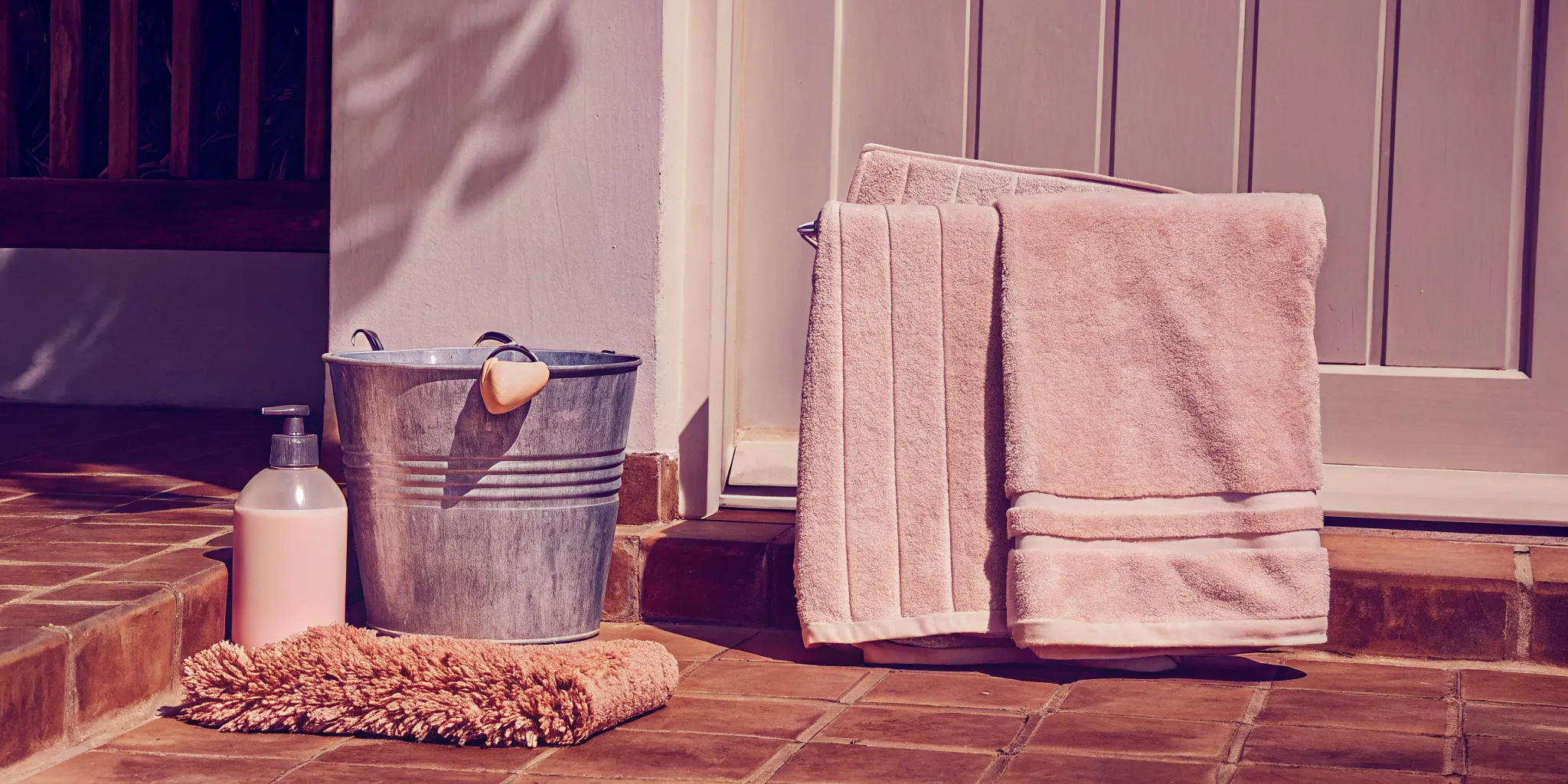
Clean microfiber tools help lift softened residue without grinding dirt into the paint.
Check the product label before using any cleaner. Test an unfamiliar product on a small, inconspicuous area, and never let it dry on the paint. If you are unsure whether a product is appropriate for a coating, wrap, matte finish, or older paint, follow the vehicle or finish manufacturer's care instructions.
Choose a shaded work area. Hot body panels can dry soap and cleaner too quickly, leaving streaks and reducing the time the product has to soften the residue. If the hood feels hot, move the car or wait until it cools.
How to remove bugs from your car step by step
The safest process is rinse, soak, wipe lightly, rinse again, inspect, and dry. If residue remains, repeat the soak. Do not increase pressure or switch to an abrasive tool.
- Park in the shade and cool the surface.
Wait until the hood, bumper, mirrors, and windshield are cool enough to touch comfortably.
- Rinse away loose grit.
Use a gentle stream of water to remove sand, dust, and loose insect material. This reduces the chance of dragging grit across the finish.
- Apply a car-safe pre-soak.
Use car wash solution or bug remover according to its label. Keep it away from areas the label says to avoid.
- Give the product time to work.
Let it soften the residue for the recommended dwell time, but do not let it dry.
- Wipe with light pressure.
Use a clean, wet microfiber towel or mitt. Make short passes instead of scrubbing back and forth.
- Rinse thoroughly.
Remove the cleaner and loosened residue with clean water.
- Inspect before drying.
If any marks remain, repeat the soak and gentle wipe. Use a fresh towel if the first one has collected debris.
- Dry with clean microfiber.
Pat or gently glide the towel across the surface to reduce water spotting.
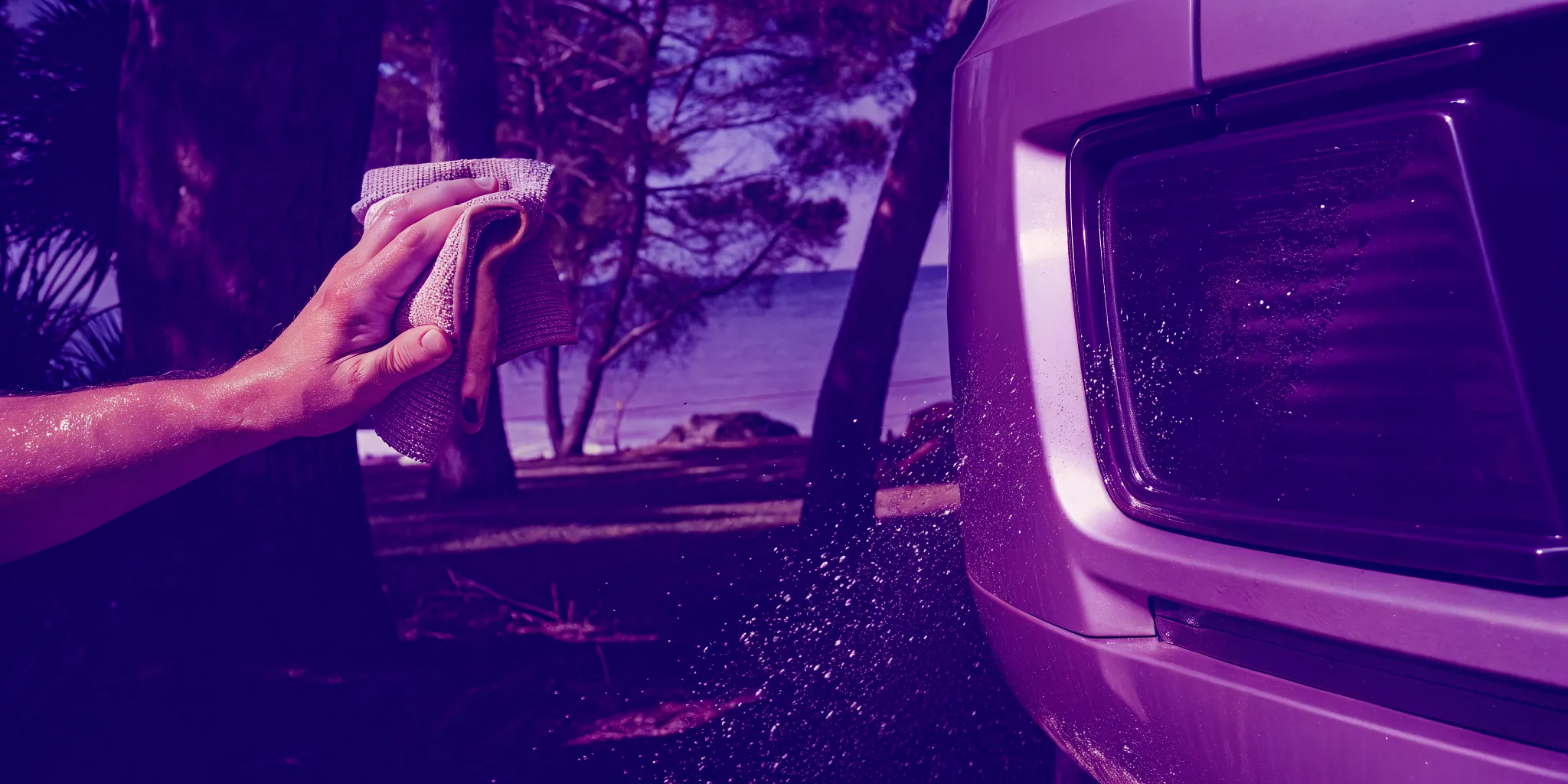
Soaking dried splatter before wiping reduces the need for pressure.
Pay attention to seams and textured areas around the grille. Fold the towel to expose a clean section as you work. Reusing a dirty section can put loosened grit back against the paint.
Which bug removal methods can damage paint?
Avoid dry wiping, rough scrub pads, household degreasers, uncontrolled pressure washing, and cleaning a hot panel. These methods can scratch the clear coat, strip protection, or leave cleaner residue behind.
When bugs will not move immediately, the safest response is more dwell time, not more force. The following comparison shows why common shortcuts create unnecessary risk:
Method to avoid | Why it is risky | Safer choice |
Dry paper towel or dry cloth | Can drag hard residue and grit across the finish | Rinse and soak before using wet microfiber |
Kitchen scrub pad or stiff brush | Can leave scratches and dull patches | Use a soft microfiber towel or mitt |
Dish soap or strong household degreaser | May strip wax or affect trim and finishes | Choose a product labeled for automotive paint |
Pressure nozzle held close to the paint | Can damage weak paint, trim, or decals | Use controlled pressure from a safe distance |
Cleaning in direct sun | Cleaner may dry before it can be rinsed | Work on a cool surface in the shade |
Do not use your fingernail or a hard plastic edge to pick at individual spots. Even a small hard edge can mar the clear coat. Likewise, avoid experimenting with vinegar, ammonia, or solvent mixtures. A product that works elsewhere in the home is not automatically safe for automotive paint, plastic trim, protective film, or ceramic coatings.
If you wash frequently during heavy bug activity, an Unlimited Wash Club membership may make routine cleanup more convenient without waiting for residue to build up.
What should you do when dried residue will not come off?
When residue survives the first pass, soak it again and use a fresh microfiber towel. Stop if the spot feels rough, looks dull, or requires heavy pressure. Those signs may call for professional assessment instead of more scrubbing.
Stubborn residue usually needs patience. Reapply the paint-safe cleaner, keep the area wet for the label's recommended dwell time, and try another gentle pass. Two careful soak cycles are safer than one forceful scrub.
After the surface is clean and dry, inspect it from several angles in good light. A remaining mark may not be residue at all. It could be a stain, a dull etched spot, a chip, or damage that has already affected the finish. Continued rubbing can make the area worse.
This is the point to ask a professional for guidance. Classy Chassis offers express washing and full-service detailing options across the Mississippi Gulf Coast. Start with the locations and service information to find the right facility for your vehicle.
How can you make future bug cleanup easier?
Remove fresh splatter after long drives, keep the vehicle washed, and maintain a suitable protective layer. A cleaner, slicker surface gives residue less time and opportunity to bond.
A quick inspection after warm-weather highway trips can save time later. Look at the front bumper, grille, headlights, mirror caps, hood edge, and windshield. If you see fresh splatter, rinse or wash it before it spends days in the sun.
Wax, sealant, and ceramic coating can make a maintained surface easier to clean, but no protective product eliminates the need for washing. Follow the care instructions for the specific protection on your vehicle. If you are exploring longer-term exterior protection, learn more about Classy Ceramics coating services and ask whether the option fits your finish and driving habits.
Drivers who spend more time on coastal highways may need more frequent care than vehicles that stay parked in a garage. Build the routine around your actual use, not a fixed calendar. Wash after bug-heavy trips, storms, and periods when road film becomes visible.
When is a professional wash or detail the better choice?
Choose professional care when residue covers a large area, repeated soaking does not work, or you notice possible finish damage. Professional help is also useful when you lack a shaded workspace or the correct paint-safe supplies.
Home removal works well for fresh, light splatter when you have the right tools and enough time. A professional wash is the practical next step when the entire front end is covered after a trip, when residue is packed into seams, or when you would otherwise resort to aggressive scrubbing.
A detail may be more appropriate if the surface still has rough spots, dull marks, or staining after it is clean. Those concerns require a closer look than routine bug removal. Explain what you have already tried so the service team can assess the finish without repeating harsh steps.
Classy Chassis has served Mississippi Gulf Coast vehicle owners for more than 30 years with convenient wash and automotive care options. Explore the Classy Chassis car wash and detailing services, or use the location finder to plan your visit.
Frequently asked questions about removing bugs from a car
The most common questions come down to timing, tools, and pressure. Remove splatter promptly, use products intended for vehicles, and let soaking replace scrubbing whenever possible.
Can I use a paper towel to remove bugs from my car?
A dry paper towel can drag hard residue and grit across the paint. Rinse and soften the splatter first, then use a clean, wet microfiber towel with light pressure.
Can I use dish soap to remove bug splatter?
Dish soap is designed for household grease and may strip wax or affect existing protection. Use car wash soap or a bug remover labeled safe for automotive finishes.
How soon should I remove bugs after a road trip?
Remove them as soon as practical, especially after driving in hot weather. Fresh splatter generally loosens more easily than residue that has dried in direct sun.
Will ceramic coating stop bugs from sticking?
A maintained coating can make the surface easier to clean, but it does not prevent all splatter or replace regular washing. Follow the coating provider's care instructions.
What if a bug mark remains after cleaning?
Stop scrubbing and inspect the clean, dry surface. A persistent dull or rough mark may be staining or finish damage rather than leftover residue, so professional assessment is the safer next step.


Comments