

How to Prevent Water Spots on Car Paint

Updated: Sep 15
The Gulf Coast sun turns rinse water into hard white marks within minutes. These crusty rings ruin your vehicle's shine and can even eat into your clear coat over time. Keeping your paint safe needs more than just a quick spray in your driveway.
How to prevent water spots on car surfaces starts with keeping your car out of direct sun while you wash it. When you wash a car in the heat, water dries fast and leaves behind hard bits like calcium. To stop these marks, you must dry every part right away with a clean, soft cloth. Putting on a layer of wax or a ceramic coating makes a shield that helps water roll off the paint. Experts at OCD Car Care say these rings can cause deep damage if you do not handle them well. Regular care and using clean water are the best ways to keep your car looking great today.
Knowing about the Gulf Coast climate is the first step to a clean car. You can stop permanent marks by learning exactly How to prevent water spots on car paint during any season. Keeping your vehicle safe from salt and heat needs the right tools and a clear plan. Here is where to start.
How to prevent water spots on car paint
Water spots are the white rings or marks left on your car after water dries. These marks form when minerals like calcium and magnesium stay behind as the water turns to vapor. On the Mississippi Gulf Coast, high heat and humidity speed up this process. It is vital to keep a regular car wash schedule to keep your paint safe. Knowing how to prevent water spots on car paint starts with knowing why they happen.
The science of mineral buildup
Most water has small amounts of minerals. When water sits on your car in the sun, it dries fast and leaves these solids behind. These deposits can range from 50 to 1,000 parts per million based on the water source. If you do not remove them, they can bond to your paint and cause real damage. Regular cleaning helps reduce the potential for these pollutants to harm your car and the local area.
Gulf Coast weather makes this worse because the sun and heat force water to dry in minutes. This quick drying locks minerals onto the clear coat before you can wipe them away. To avoid this, always wash your car in the shade or when it is cool outside. This simple step gives you more time to dry the car before spots can form.
Types of water spot damage
Not all water spots are the same. Some are easy to wipe off, while others eat into the paint. Knowing the level of damage helps you choose the right fix. Coastal factors like salt air and high heat can turn a simple spot into a permanent mark if you wait too long to act. Using a mild detergent during your wash can help remove these minerals without hurting the paint.
Spot Type | Description | Typical Fix |
Surface Mineral | Fresh white rings sitting on top of the paint. | Basic wash and dry. |
Bonded Deposit | Minerals that have stuck to the clear coat. | Clay bar or vinegar. |
Etched Mark | Physical divots in the paint from acid. | Machine polish. |
Best ways to stop spots
The best way to keep your paint clear is to block the water from touching it. You can explore ceramic coating for easier maintenance to create a smooth layer that sheds water. This layer prevents minerals from sticking and makes drying much easier. Protective layers like wax or ceramic are key to keeping your car safe from the sun and salt.
You should also dry your car with clean towels after every wash. This pulls the water and minerals away from the paint instead of letting them sit. Avoid parking near sprinklers, as tap water often has more minerals than rain. By following these steps, you can keep your car looking new even in the tough coastal air.

Prompt, careful drying helps stop mineral deposits before they become visible spots.
A spot-prevention wash and dry routine
Preventing water spots starts with how you wash and dry your car. On the Mississippi Gulf Coast, high heat and humidity speed up how fast water dries on your paint. When water evaporates too fast, it leaves behind minerals like calcium and magnesium that create white rings. To stop this, you must control the drying process from start to finish. Following a strict routine helps you keep a regular car wash schedule without the risk of new spots forming.
Working in the shade
Never wash your car in direct sunlight. The hot sun warms the metal and makes water dry before you can wipe it away. Find a shaded spot or wait for early morning or late evening. This keeps the surface cool and gives you more time to work. If you must wash outside, work in small sections. Rinse and dry one door or the hood before moving to the next part. This way, no water sits long enough to leave marks.
The right tools for drying
Using the wrong towels can cause fine scratches that trap more dirt and minerals over time. It is vital to use clean, microfiber towels and avoid letting them touch the ground. These towels soak up water much better than old rags or t-shirts. Always keep a stack of fresh towels ready. If a towel falls, set it aside for the wash. Grit from the driveway will scratch your clear coat and make future water spots harder to remove.
Step-by-step wash and dry guide.
Follow these steps to keep your paint clear of mineral marks.
Rinse the car fully with cool water to remove loose grit and cool down the body panels.
Wash one section at a time using a mild soap and a clean wash mitt to lift away dirt.
Rinse each section as soon as you finish scrubbing to keep soap from drying on the paint.
Give the car a final rinse using a low-pressure flow to help water sheet off the surface.
Dry the car right away with a large microfiber towel, starting from the top and working down.
Open the doors and trunk to wipe out water hidden in crevices and door jams.
Check for any missed damp spots and buff them dry before they can air dry in the sun.
Mineral levels in water sources vary, but even drinking water often has 300 to 500 ppm of minerals that can harm your paint. For the best long-term care, you can try professional car detailing to deep clean the surface. Professional tools and filtered water are often the only way to get a truly spot-free finish in coastal air.
Choose the right time and place to wash
Timing is key when you want to keep your car's paint clear and bright. On the Mississippi Gulf Coast, the heat and damp air can make washing your car a hard task. If you wash your car at the wrong time, you might end up with more marks than you had before. Knowing how to prevent water spots on car paint starts with finding the best spot for the job. You want a place that is cool and away from the wind.
Avoid the heat of the midday sun
Washing your car in direct sunlight is a common slip. When the sun is high in the sky, your car's metal body gets very hot. Water and soap dry much faster on a hot surface. As the water dries up, it leaves behind small bits of stone like calcium and salt. These bits form hard white rings known as water spots. These marks are not just ugly. They can also bond to your car's finish and cause paint damage over time.
To get the best results, wash your car in the early morning or late evening. This is when the air is cool and the sun is low. If you must wash during the day, find a shaded spot under a tree or a roof. Keeping the panels cool helps the water stay wet. This gives you enough time to rinse the car and dry it off with a soft cloth. When you dry the car by hand, you pull those minerals off before they can stick.
Watch out for coastal air and sprinklers
Living near the coast means you deal with salt in the air every day. This salt can mix with morning dew or light rain to create a sticky film on your hood and doors. If this film stays on your car, it can eat into the clear coat. You should also watch where you park. Lawn sprinklers often use well water that is full of heavy minerals. A few minutes of spray from a sprinkler can leave a car covered in spots that are very hard to scrub away.
If you see salt or water from a sprinkler on your car, do not wait to clean it off. Salt air and sun work together to break down your car's paint. You can learn how ceramic coating supports paint care to build a strong shield. This layer makes it hard for water and salt to stick to the car. It acts like a wall that keeps the bad stuff away from your paint.
Stick to a weekly wash routine
A regular car wash schedule is the best way to stop spots before they start. Washing your car once a week removes new dirt and minerals. This keeps them from having a chance to bond with the paint. For most people in Biloxi or Gulfport, a weekly wash is enough to keep the surface smooth and shiny. It prevents the buildup of grime that can lead to lasting etching.
You can also use a quick spray to clean small spots between your full washes. This helps pick up light dust or small water marks from a light rain. If the air is very damp or you live right on the beach, you might need to rinse the car more often. A simple rinse with fresh water can wash away salt before it dries. Keeping up with this plan makes sure your car always looks new and stays protected from the coast.
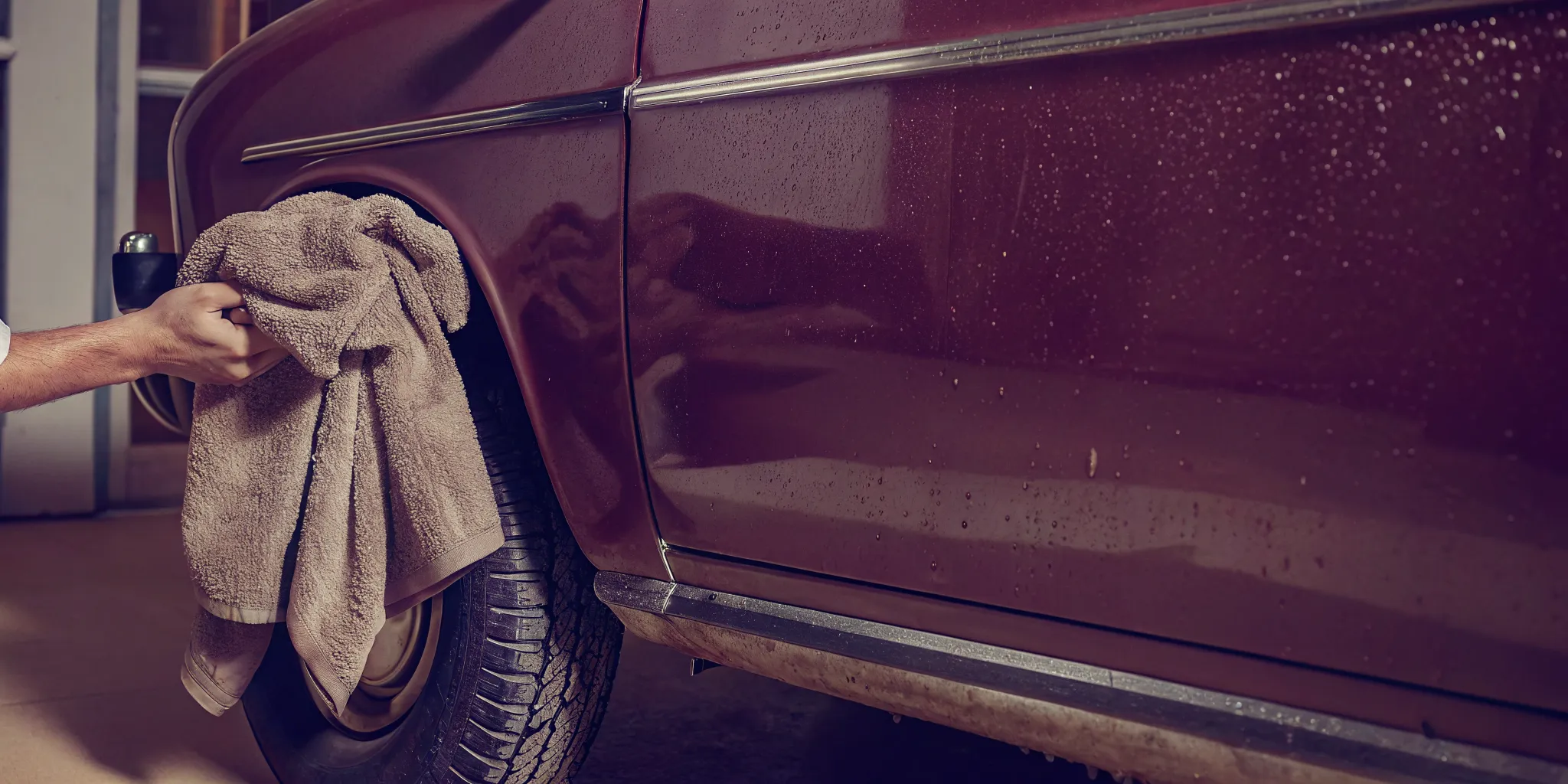
Paint protection can help water shed more easily, but prompt drying still matters.
Can paint protection help prevent water spots?
Car owners on the Mississippi Gulf Coast deal with salt air and high heat every day. These coastal factors often lead to hard water marks on your paint. Many people use wax or sealants to shield their cars. These products can help, but they do not make your car immune to spots. It is vital to know how paint guards work and what they can do for your car in this humid air.
How coatings block mineral buildup
Water spots start when water dries and leaves behind small bits of rock and salt. These are called mineral deposits like calcium or magnesium. When your car has no shield, these minerals stick right to the clear coat. Over time, they can eat into the surface and cause deep damage. This damage is hard to fix and can ruin the look of your car.
Using a guard like wax or a ceramic coating creates a thin layer over the paint. This layer acts as a wall that keeps the water and dirt from touching the paint at all. By using a frequent wash plan, you can rinse these items away before they dry. On the Gulf Coast, this shield is needed because the salt in the air makes spots form much faster. The shield also blocks UV rays that can fade your paint over time.
The limit of paint protection
It is a myth that a coated car will never get water spots. Even the best wax or ceramic layer can still get marks if you let water dry on it. High heat on the Coast makes water dry fast. This leaves the minerals sitting on top of the coating. If you do not wash the car, these bits can still bond to the shield. This is why you must still care for a shielded car.
The good part is that the spots stay on top of the guard instead of the paint. This prevents the etching that ruins a car's finish. You should still wax your car every three to six months to keep this shield strong. If you want the best guard, you can consider ceramic paint protection for a long-lasting wall. This wall stands up to the hot sun and wet air of Biloxi and Gulfport.
Easier cleaning with a slick surface
A shielded car is much easier to clean. Coatings and waxes make the surface of the car very slick. This means water beads up and rolls off rather than sitting in flat pools. When water beads, it is less likely to leave a wide spot. If a spot does form on a slick surface, it usually wipes off with little effort. You can often remove them with a simple rinse.
You will not need to scrub hard to get the car clean. Hard scrubbing can cause small scratches that trap more dirt and grime. Using a slick guard helps you avoid this cycle of paint damage. Check our locations and pricing to see how we can help you keep your car's finish safe. This keeps your car looking new even in the salty air of the Coast.
What should you do when water spots appear?
Finding white rings on your car can be frustrating, but you must act fast. Fresh spots are often just minerals like calcium or magnesium left behind as water dries. If you catch them early, a gentle wash may be all you need to clear the surface. However, you should never scrub the paint with force, as this can lead to deep scratches. Always work on a cool surface out of the sun to keep the paint safe.
Check the depth of the spots
You first need to find out if the spots are on top of the paint or etched into it. Surface spots feel like tiny bumps and often wipe away with a damp cloth or quick detailer. Etched spots are more serious because they have started to eat into the clear coat. Environmental items like bird droppings or tree sap can also cause permanent paint damage if you leave them too long. If the marks do not move with a light touch, you may need a deeper fix.
Use the right tools for fresh marks
For new spots, start with a pH-neutral car soap and a soft mitt. This helps break down the mineral bonds without stripping away your car's wax or sealant. If the spots remain, you can try a water spot remover made for car paint. These products use mild acids to melt the minerals so you can rinse them away. Be sure to follow the bottle's instructions and never let the product dry on your car.
When you finish washing, dry the car well with a clean towel. This is a key part of how to prevent water spots on car finishes in the future. On the Mississippi Gulf Coast, high heat and salt air can make these marks form faster. Following a regular car wash schedule helps stop the buildup of salt and dirt that ruins your shine.
When to seek professional help
Stubborn spots that do not wash away need expert care. These marks often require machine polishing to level the clear coat and remove the etching. Trying to fix deep spots at home without the right gear can make the damage worse. A professional car detailing team has the tools to assess the paint and recommend an appropriate correction and restore its gloss. They can also apply a ceramic coating to give you long-term protection against the harsh coastal sun.
Build a Gulf Coast water-spot maintenance plan
Keeping your car clean on the Mississippi Gulf Coast is a full-time job. Our salt air and thick, wet air make it easy for white marks to form. If you want to know how to prevent water spots on car paint, you need a solid plan. A good routine helps you fight the heat and sun before they bake stains into your paint.
Daily habits to stop spots
Start by checking your car every morning for new marks. If you park near a lawn, watch out for sprinkler spray. These systems often hit cars in the early morning and leave heavy salt rings. You should also look for bird droppings or tree sap. These items are sharp and can eat away at your paint if you leave them too long.
When you can, park in a garage or under a carport. This simple step keeps your car away from UV rays and rain. If you must park outside, try to avoid spots under large trees where sap and birds are common. Quick action is the best way to keep your paint smooth and clear of hard water marks.
A set wash schedule
A weekly wash is a key part of car care. It removes the salt and dust that build up from our coastal air. When you wash at home, always use a mild soap made for cars. Dry your vehicle with clean microfiber towels to prevent fine scratches. If you want to save time, a set car wash schedule at an expert shop is better for your paint and the local area.
Washing your car at home can hurt local water. Bad washing may release heavy metals and oils into storm drains. The EPA suggests using expert shops to help protect our local rivers. These shops use special drains to catch grime and keep our coast clean.
Long-term paint guard
Basic washing is great, but extra layers provide the best guard. You should apply a fresh coat of wax every three to six months. For even better results, you can see ceramic coating options. This hard layer makes it much harder for water and salt to stick to your car. It acts like a shield against the intense Gulf Coast sun and salt.
For many drivers, an endless wash plan is the best way to stay on track. It lets you rinse off salt and grime as soon as they appear. By keeping up with these small steps, you can keep your car looking new for years. You can find our shops and pricing online to start your plan today.
Frequently Asked Questions
Does car wax prevent water spots?
Wax creates a thin shield on top of your car paint. This layer helps stop water from sticking to the surface. When water beads up and rolls off, it takes minerals with it. According to Universal Technical Institute, you should wax your car every three to six months for best results. This simple step keeps your clear coat safe from the hot Mississippi sun. It prevents minerals from bonding to the finish.
Are water spots on cars permanent?
Most fresh spots are just mineral dust left behind after water dries. However, the intense heat on the Gulf Coast can cause these minerals to bake into your paint. Over time, they may eat into the clear coat and cause permanent damage. Experts at OCD Car Care explain that these white rings are often calcium or magnesium. If you do not remove them quickly, you might need a pro to fix the finish.
How do you get water spots off a car?
If spots are new, you can often remove them with a fresh wash and dry. For tough marks, some drivers use a mix of white vinegar and water to break down the minerals. If the spots have marked the paint, you may need a professional detailing service. According to UTI, you can use WD-40 for sticky things like sap. You must always apply a new layer of wax afterward to protect the paint.
What car wash does not leave water spots?
A professional car wash is your best bet to avoid spots. These shops often use filtered water and special soaps that help water slide off the paint. At Classy Chassis, the systems are built for local coastal conditions. They use high-quality tools and blowers to dry your car before minerals can settle. This is much safer than washing at home where hard water and hot sun often lead to instant spotting on your finish.
Ready to find a nearby wash location on the Gulf Coast?
Leaving water spots on your paint for too long can lead to lasting damage that is hard to fix. The hot Gulf Coast sun bakes salt and dirt into your clear coat every day you wait, which lowers the price of your car. You can avoid these high costs and learn how often to wash your car to keep it safe from the salt in our coastal air. Do not let the weather ruin your car when a quick stop can solve the problem and help you keep its value high. Our team knows the needs of local drivers and we are here to help you protect your investment all year long.
Ready to protect your car? Contact us to find a nearby wash location.


Comments