

Salt Air Damage to Cars: A Gulf Coast Guide

Updated: Sep 15
Salt Air Damage to Cars: A Gulf Coast Guide
Visible rust on a car parked near the beach often takes years to show its face, but salt air can begin attacking exposed metal and finish much sooner. You can protect your car by knowing how coastal corrosion works and removing salt before it settles in. Additionally, if you are looking to maximize your resale value, getting a professional car detailing before selling can remove this salt air film from all exterior and interior surfaces, ensuring a flawless first impression.
salt air damage to cars starts when salt bits and moisture settle on the outside of your vehicle. This process speeds up rust on metal parts and can even eat through the clear coat. Science shows that the rate of rust for steel goes up quickly in ocean areas because of the mix of salt and high humidity. This total damage often stays hidden under the paint for five to seven years before visible rust spots appear. Modern cars have better coatings than older models, but they still face heavy risks if they are within ten miles of the Gulf Coast. Owners can fight back by washing their cars weekly and using protective services like ceramic coating. This regular care stops salt from sitting on the surface and prevents long term damage to the car.
You might not see the salt, but it is always working against you. To help you protect your car, we will look at How salt air damage to cars begins. The way it starts is actually quite simple.
How salt air damage to cars begins
Salt air damage to cars begins when airborne salt crystals settle on paint, glass, and exposed metal. Salt attracts moisture from Gulf Coast humidity, holding a corrosive film against the vehicle and accelerating oxidation.
The salt and moisture link
The main reason salt air is so hard on cars is because it speeds up the oxidation of metal parts. Research shows that coastal environments can cause metal to rust much faster than in other areas. When salt particles land on your car, they don't just sit there. They trap moisture and create a perfect spot for rust to grow. This problem is worse in towns like Biloxi and Gulfport because our air is both salty and very humid. These two factors work together to break down the protective layers on your car.
This process of salt air damage to cars is often slow and hard to see at first. Experts note that it can take five to seven years for damage from ocean particles to become clear. By the time you spot a rust bubble or dull paint, the salt may have been eating away at the metal for a long time. This is why local vehicle owners need to think about ceramic protection for Gulf Coast vehicles well before they see any signs of a problem.
Entry points for rust
Salt air finds the smallest gaps to begin its work. Small paint chips from road debris or loose seams between body panels are common entry points. Even on modern cars with good paint, these tiny flaws let salt and water reach the bare metal. Once the salt gets under the clear coat, it begins to lift the paint from the inside out. This is a common way that salt air damage to cars moves from a small spot to a large repair bill.

Salt mist and coastal humidity can leave a corrosive film on a vehicle's finish.
Your car's underbody is also a high-risk zone for this type of damage. Road spray can kick up salty water into the wheel wells and frame. These areas often have less paint protection and more nooks where salt can hide. Classy Chassis Express Car Wash builds its services to reach these hidden spots. Getting a Gulfport car wash and detailing services is the best way to flush out these harmful salts before they can start a rust spot. Keeping these areas clean and dry is key to stopping corrosion on the Mississippi Gulf Coast.
Where coastal salt causes the most damage
Living near the Mississippi Gulf Coast means your car faces salt air every day. Salt air damage to cars is not always easy to see at first. It often builds up over five to seven years before rust spots appear. By the time you notice the damage, it may already be deep in the metal. Knowing which parts of your car are at risk helps you take action early.
Impact on paint and clear coat
The paint on your car is your first line of defense. But salt air carries tiny crystals that trap moisture against the surface. This mix of salt and water creates a process that hurts the clear coat. Over time, the salt eats through the paint and lets rust start on the metal body. You might see small bubbles or rough spots on the hood or roof.
To keep your paint safe, you need a strong shield. Expert preventative care for salt air exposure can block salt from sticking to the finish. Regular washing also removes the salt before it can cause deep harm. Even modern cars with good paint still need this extra care to stay in top shape.
Risks to the undercarriage and brakes
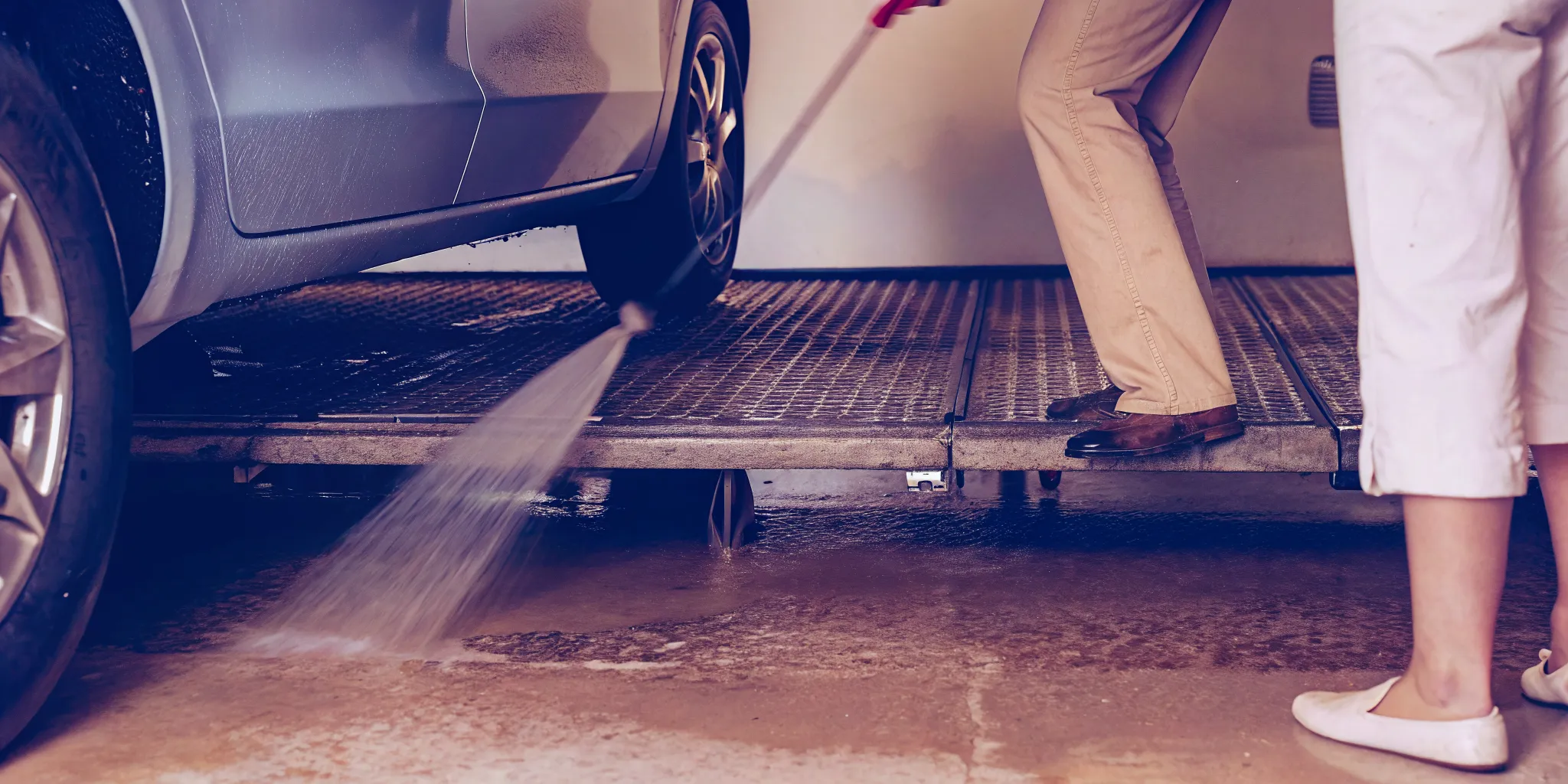
An underbody wash helps flush salt from wheel wells and exposed metal.
The bottom of your car is open to salt air damage. Salt gets stuck in wheel wells and all over the metal frame. Because these parts are often damp and dirty, the salt stays active for a long time. This leads to fast rust on brake lines, exhaust pipes, and suspension parts. Studies show that coastal atmospheric environments cause metal to wear out much faster than in dry areas.
Brake parts are likely to get salt harm. Salt can cause rotors to rust and pads to stick. This makes your car less safe to drive. Using regular maintenance for coastal vehicles makes sure that the bottom of your car gets a deep clean. Washing the bottom of your car once a week is a smart way to stop salt from building up.
Damage to trim and rubber seals
Salt does not just hurt metal surfaces. It also pulls moisture out of rubber seals and plastic trim. When these parts dry out, they start to crack and leak. This allows salt air to get inside your doors and trunk. Once salt gets into these hidden spots, it can cause rust from the inside out. Plastic trim may also fade or turn gray when salt and sun work together.
Vehicle Area. | Warning Signs. | Steps to Take. |
Paint and Clear Coat. | Small bubbles, rough texture. | Wash often and apply wax or ceramic coating. |
Undercarriage. | Flaking metal, orange rust spots. | Use an expert underbody wash service. |
Brake Parts. | Squeaking sounds, pulsing pedal. | Get regular brake checks and cleaning. |
Rubber and Plastic Trim. | Fading, cracking, or brittle feel. | Apply trim restorer and keep seals clean. |
Protecting your car from the Gulf Coast air takes a plan. It is easier to stop rust now than to fix it later. Steady care keeps your car looking new and running safe for years to come.
A practical routine to protect your car from salt air
Living on the Mississippi Gulf Coast means dealing with salt air every day. This air holds tiny bits of salt and moist air that stick to your car. Over time, these bits lead to salt air damage to cars by eating away at the paint and metal. Since this damage builds up slowly, you may not see rust for five to seven years. However, the process starts as soon as you park near the water.
Why salt air needs a special routine
Salt air speeds up the way metal rusts when it meets moisture and heat. In coastal areas, the rate of rusting can rise very fast. This is a big problem for people in Biloxi and Gulfport who live within 10 miles of the beach. Even if your car looks clean, the salt is often working under the surface to dull your finish. A simple wash once in a while is not enough to stop the steady march of rust.
The goal is to remove the salt before it has a chance to bond with the metal. You also want to block new salt from touching the paint. By using a set plan, you can keep your car looking new for much longer. This routine works best when you do it often, even if you do not think your car is dirty.
Your five step coastal car care plan
A good routine helps you catch small issues before they become big repairs. You do not need fancy tools to keep your car safe from the sea air. You just need to be steady and focus on the parts of the car you cannot always see. Use this plan to stay ahead of the coastal weather.
- Wash your car every week.
Weekly cleaning is the best way to remove salt before it causes rust or pits the paint.
Focus on the underbody.
Use high pressure to clear the wheel wells where
salt air damage to cars
often starts out of sight.
- Dry the car by hand.
Wipe the car dry with a soft towel to remove any salt film that air drying might leave behind.
- Check for paint chips.
Look for small chips every month and fix them to keep salt from reaching the metal.
- Apply a shield.
Use a wax or sealant to create a wall that keeps salt from sticking to your car.
You should also wash your car right away after certain events. If you park at the beach for the day, or if a storm blows salt spray onto your car, do not wait. Getting the salt off fast is the best way to prevent salt air damage to cars before it takes hold.
Adding a layer of defense
While washing helps remove salt, a strong coating helps block it. Many owners on the Coast choose a protection against environmental elements like ceramic coating. This tech creates a hard shell that lasts much longer than standard wax. It is one of the best ways to deal with the high heat and salt we see in towns like Ocean Springs and Gautier.
If you prefer a simpler path, regular maintenance for coastal vehicles can still do the trick. The key is to never let the salt sit on the paint for too long. A clean car is a car that will last, even in our salty air. Stick to your routine, and your car will stay strong and bright for years to come.
What are the early signs of salt damage?
Salt air and wet air on the Mississippi Gulf Coast can hurt your car faster than you might think. Coastal air carries tiny salt bits that stick to every part of your car. These bits pull water from the air, which starts the process of metal decay. If you live near the beach, look for clues that salt is eating away at your car's finish.
Dull paint and white buildup
One of the first things you will notice is a loss of shine. Salt air damage to cars often starts as a thin, hazy film on the surface. This film makes the paint look dull and can feel slightly rough to the touch. You might also see white, crusty streaks along the edges of doors or on the hood after the morning dew dries. This buildup is more than just an eyesore. It is a sign that salt is sitting on your clear coat. Over time, the salt can weaken the layers that protect your paint. Experts note that
in coastal areas speed up the rusting of metal parts. Regular cleaning is the best way to stop this buildup before it causes deep harm.
Paint bubbles and orange rust spots
If you see tiny bubbles under your paint, you have a problem. This is a sign that rust is forming under the surface. The salt has found a small chip or crack and is now eating into the metal body. These bubbles often show up near the bottom of the doors or on the wheel wells where water tends to sit. You should also watch for small orange or brown stains. These "flea bites" are early rust spots that can spread quickly if you ignore them. Finding these signs early allows you to get
before the metal becomes weak. Once rust takes hold, it can be much harder and more costly to fix.
Underbody and metal damage
The worst damage often happens where you cannot see it. The bottom of your car is open to road salt and ocean spray every day. Take a look at your tailpipe, mufflers, and the metal frames around your wheels. If you see flaky metal or deep pits, the salt is already doing its work. Check your bolts and parts as well. If they look white and chalky or have a thick layer of rust, they may break. Keeping these parts clean is a key part of
. Checking once a month helps you spot issues before they turn into safety risks or costly repairs.
Can ceramic coating help in coastal conditions?
Yes. Ceramic coating adds a durable barrier that makes it harder for salt and moisture to cling to paint. It does not replace routine washing or repair existing rust, but it can make coastal vehicle care easier and help protect the finish.
Create a shield against salt air
Salt is great at holding onto water. This mix makes rust form fast on metal parts. If you live in Biloxi or Gulfport, your car faces this risk every day. Most cars parked near the shore have a high risk of damage. A ceramic coating fills the tiny holes in your paint. This makes a smooth top that keeps salt from sticking. It is a top choice for preventative care for salt air exposure. It helps stop the slow damage that builds up over years of driving near the Gulf.
Damage from sea air often builds up slowly. You might not see the harm for five to seven years. By the time you spot rust, the harm is already deep. Using a coating early on helps stop these hidden problems. It keeps your car looking new for much longer than a old wax job. This is a smart move for anyone who plans to keep their car for a long time.
How nano-tech works
New ceramic coatings use tiny bits that bond with your paint. This bond makes a hard, clear layer that lasts longer than old wax. It is great at pushing water away. When rain or sea spray hits your car, the water beads up and rolls off. This helps carry away salt and dirt before they can cause harm. Adding this protection against environmental elements makes your car much easier to clean.
It fills pores in the paint to stop salt from sticking.
It creates a glass-like shell that repels water and mud.
It shields the clear coat from harsh UV rays and heat.
This tech also protects against the hot sun. UV rays can make paint fade and peel. The coating acts like sunblock for your car. It keeps the colors bright and the shine deep. Since it bonds with the paint, it will not wash off in a storm. You can count on it to stay in place through high heat and damp winds. It is a tough shield for a tough area.
The limits of the coating
Ceramic coatings are strong, but they do not make your car a tank. They will not stop rust if you never wash the car. Salt can still sit on top of the coating after a drive. You must still wash your car once a week to stay safe. The coating just makes the job easier and keeps the paint bright. It works best when you also use regular maintenance for coastal vehicles.
A good car care plan has many steps. Along with the coating, you should try to park in a garage. This keeps the salt air from sitting on the car all night. If you use the coating and wash the car often, you can beat the coastal salt. It is a great tool for any owner who wants their car to last. It pays off by keeping your car's value high for years to come.
Coastal car-care mistakes to avoid
Living on the Mississippi Gulf Coast means your car deals with salt air every day. Many owners in Biloxi and Gulfport make simple errors that lead to salt air damage to cars over time. These slips might seem small now, but they can cause big rust problems later. Avoid these common traps to keep your car in top shape.
Waiting for visible grime
One of the biggest errors is waiting until your car looks dirty to wash it. Salt air bits are tiny and often hard to see. This salt can sit on your paint and start to eat at the finish long before you see a layer of dust. Experts say salt damage may not show up for five to seven years of steady exposure. By the time you spot the harm, it may be too late to fix it with ease. Frequent washing helps remove these hidden risks before they settle in.
Skipping the undercarriage
Most people focus on the shiny parts of their car, but the bottom needs the most care. The underbody has many open metal parts that are prone to rust. When you drive near the coast, salt air and dampness get trapped in the tight spots under your car. This can cause fast corrosion on parts like your frame and brake lines. Always make sure your car wash includes an underbody flush to clear out salt and sand. You can find full care at our locations and pricing page.
Trusting the rain to wash your car
It is a common myth that a good rain storm will clean your car for you. On the Gulf Coast, rain often mixes with salt air and high humidity. This can trap salt against your paint. Instead of cleaning, rain can move salt into tight spots where it stays damp and causes more harm. You need a proper wash with soap and high-pressure water to truly lift salt away. For the best results, use regular maintenance for coastal vehicles to keep your finish safe and clean.
Ignoring paint chips and scratches
Small chips in your paint are more than just a look. In our salty air, any tiny break in the paint gives salt a direct path to the metal below. Once the metal is open to the air, rust can start and spread under the paint. This turns a small chip into a large repair job very fast. If you see a scratch, you must get it sealed or protected soon. Using preventative care for salt air exposure like a ceramic coating can add a hard layer that helps stop these small chips from forming.
Frequently Asked Questions
How does coastal salt air damage a car's exterior?
Salt bits in coastal air land on your car and pull water from the humid air. This makes a salty film that speeds up the way metal parts rust and eats through your clear coat. According to research on coastal air, this process causes bare steel to rust very fast. Over time, the salt lifts the paint from the inside out, leading to deep rust and big repair bills.
How far from the beach do cars start showing salt air damage?
Cars parked within ten miles of the shore face the highest risk for salt air damage and rust. While new cars have better coatings, salt air still speeds up rust for any vehicle kept near the sea. Experts at Delray Honda say that damage from sea bits builds up over time. It often stays hidden for five to seven years before rust spots show up on the paint.
How can I protect my car from salt air damage?
The best way to stop salt air damage is to wash your car once a week. This removes salt before it can bond to the metal. You should also use a wax or ceramic coating to create a hard wall that blocks salt from touching the paint. Keeping your car in a garage or under a cover also helps cut down on direct contact with the salty air. Weekly cleaning of the bottom of the car is also key.
Does salt air damage modern cars?
Yes, even new cars with good paint and rust protection are still prone to salt air damage over time. The salt finds small paint chips or tight gaps to reach the metal and start the rusting process. According to the Classy Chassis Express Car Wash guide, salt air and humidity are still major local threats. Regular care and strong coatings are still needed to keep a new vehicle safe from the harsh coastal weather.
Ready to protect your car from Gulf Coast salt air damage?
Leaving the salt air on the Mississippi Gulf Coast can lead to rust and paint damage that lowers your car's value very fast. If you wait too long to wash your car, the damp coastal air will cause deep harm to your paint and metal parts. Once rust starts to form on your car, it is very hard and costly to fix, so you should act now. Starting a wash plan today at one of our car wash spots stops the salt from settling and helps you avoid big repairs. Taking a few minutes to wash your car now will keep it looking great for many years and protect its total value.
Ready to protect your car? Call +1 (228) 697-9173 to find a nearby Classy Chassis location for your next wash.


Comments