

Hurricane Car Protection for Gulf Coast Drivers

Updated: Sep 15
High winds, storm surge, and windblown debris can damage a vehicle in minutes. On the Mississippi Gulf Coast, practical hurricane car protection starts before the forecast turns urgent.
Effective hurricane car protection requires a mix of early planning and safe storage to avoid costly wind and water damage. Owners should move their vehicles to high ground or inside a sturdy garage to prevent damage from flying debris and rising flood waters. According to Progressive, as little as 12 inches of moving water can sweep an average car off the road. You should also check your insurance policy for full coverage and take photos of your vehicle's outside before the storm arrives. After the winds die down, you must inspect the car for water leaks or paint chips before you start the engine. Taking these small steps helps you avoid major repairs and ensures your car is ready for any needed trips away from the coast.
You might wonder how much time you have to get ready once a weather watch is issued. Hurricane car protection starts before the storm reaches our local shores and affects the Mississippi Gulf Coast. The path begins with a few key safety checks and smart storage plans.
Hurricane car protection starts before the storm
Hurricane season on the Mississippi Gulf Coast brings new risks to your car. In the Atlantic, hurricane season starts on June 1 and ends on November 30. During these months, wind and water can damage your vehicle in many ways. While no steps can stop all storm harm, acting early helps keep your car safe. You should start your hurricane car protection plan well before a storm forms in the Gulf.
Why local drivers need a plan
Living in coastal towns like Gulfport or Biloxi means facing salt air and damp air daily. These things weaken your car's paint over time. When a big storm hits, it brings more than just heavy rain. Flooding and storm surge are the most deadly parts of these storms. For local car owners, visiting our Classy Chassis locations helps you stay ahead of normal wear. Our Unlimited Wash Subscription is a great way to keep your paint clean year-round. But when a storm looms, you need a set of steps to protect your ride.
Your pre-storm checklist
Getting ready for a storm is about more than just food and water. Your car needs its own prep time to avoid big loss. Follow these steps to get your vehicle ready for a big storm.
Check your tires and fluid levels to make sure the car is ready to drive. Having a safe car is key if you need to leave the area fast.
Fill your gas tank or charge your battery early. Gas pumps often lose power or run out of fuel right before a storm hits.
Take clear photos of the inside and outside of your car. These pictures serve as proof of the car's state if you must file an insurance claim later.
Find a safe place to park away from trees and power lines. If you can, park in a garage or on high ground to avoid rising flood water.
Remove any loose items from the roof or truck bed. High winds can turn simple objects into tools that break glass or dent metal.
Knowing the limits of protection
It is key to know that you cannot stop all types of damage. Even the best plan may not save a car from a direct hit or big surge. Water as shallow as 12 inches can carry a car away. This is why you must put your own safety before the car. Use your prep time to lower risks, but always follow local orders to move if the storm looks bad.
Where should you park a car during a hurricane?
Finding the right spot to park is a key part of your storm plan. A safe spot can help stop big repair bills and keep your car ready if you need to leave. On the Mississippi Gulf Coast, we face high winds and rising water that can ruin a car in minutes. You should pick your spot well before the storm hits your local area.
Best indoor parking spots
The best way to get hurricane car protection is to use a garage. A sturdy garage keeps your car away from flying objects and harsh rain. If you have a home garage, move your car inside and keep the door closed tight. This stops wind from getting under the door and lifting the roof or harming the car. For those without a home garage, look for a local parking deck. Many of these hubs are built with strong concrete and offer good cover.
If you use a public deck, try to park on a middle floor. The ground floor can flood if there is a storm surge or heavy rain. Top floors leave your car open to the wind and rain. A middle level gives you the best mix of height and cover. You can find many strong parking decks near Gulf Coast car wash spots in towns like Biloxi.
High ground and open areas
If you must park outside, find the highest ground you can reach. Water is often the most deadly part of a storm. As water hazards like surge and rain hit, they cause the most loss of life and goods. Even one foot of moving water can sweep a car away. Check local flood maps to find spots that stay dry during big storms. Avoid low spots on your street where water tends to pool during a normal rain.
An open area away from tall objects is a good choice if no garage is nearby. This reduces the risk of things falling on your roof or hood. Make sure the ground is firm, like asphalt or gravel. Soft soil can turn to mud, which might trap your car once the storm passes. A clear spot helps protect your car's outer paint from scratches caused by swaying plants or low limbs.
Unsafe zones to avoid
Stay away from trees and power lines at all costs. Large limbs can snap in high winds and crush your car. Old trees are a big risk, but even healthy ones can fall when the ground gets too wet. Power lines can also come down and cause a fire or shock risk. You should also check for loose items like trash cans or lawn chairs nearby. Winds can turn these small items into fast-moving objects that break glass or dent metal.
Do not park near signs or fences that could blow over. Light poles and signs may look strong, but they can fail in a major storm. Park at least twenty feet away from any tall structure if you are in an open lot. This gap gives you a buffer if something falls or blows through the air. Keeping your car in a clear, high, and safe spot is the best way to avoid harm from the wind and water.
Document your vehicle and prepare for evacuation
Storm prep is more than just finding a safe spot to park. Record your car's state before the wind and rain start. This is key. If your car gets damaged, proof of its shape can help with your claim. Prep your papers and car now to save stress. You must be ready if you need to leave fast.
Take clear photos and video
Walk around your car and take photos from every side. Get close shots of the hood, roof, and trunk. Use your phone to record a quick video of the glass and lights to show they are not cracked. These records are your proof if a storm causes new dents. Experts say you should take pictures of your vehicle to help with insurance needs later.
Snap a photo of the inside too. If water gets in, you will want to show the seat and floor shape. Store these files in a cloud folder or email them to yourself. Access them even if your phone breaks. Having these files ready makes it easier to deal with a claim after the storm ends.
Gather and secure your papers
Keep your car title and insurance in a waterproof bag. It is smart to print a copy of your plan and keep it with your gear. If the power goes out, you may not see online files. Put these papers where you can grab them in seconds. If you have a prepared emergency supply kit, keep your car papers inside it.
Write down phone numbers for your agent on paper. This helps if your phone battery dies and you need to call for help. This helps you have the facts to prove who owns the car. It also helps if you need to show proof of insurance at a road stop. Keep these papers dry and within reach.
Check your policy details
Read your policy to see if you have comprehensive coverage. This part of your plan usually covers storm damage from wind or floods. Do not guess at your coverage. Call your agent to ask about your limits. Some plans pay for a rental if yours is in the shop. Knowing your plan helps you avoid shocks during repairs.
Some firms stop new plans once a storm watch begins. Look at your plan well before a Gulf Coast car wash location closes. If you find gaps, you might not be able to fix them until the storm passes. Checking early gives you the best chance to stay safe from high repair costs.
Ready the car for a fast exit
Fill your gas tank as soon as you hear a storm might come. Long lines are common right before a hurricane hits. A full tank ensures you can reach safety without stopping for fuel. Check your tire pressure and oil levels to make sure the car is ready. A ready car gives you more choices if the storm path shifts.
Plan your route and find a shelter before you need to leave. Know at least two ways out of town in case a road is blocked. Keep a small bag with water and snacks in the car. Having these items ready lets you focus on driving. A quick exit can mean the difference between getting stuck and safety.
How should you inspect your car after a hurricane?
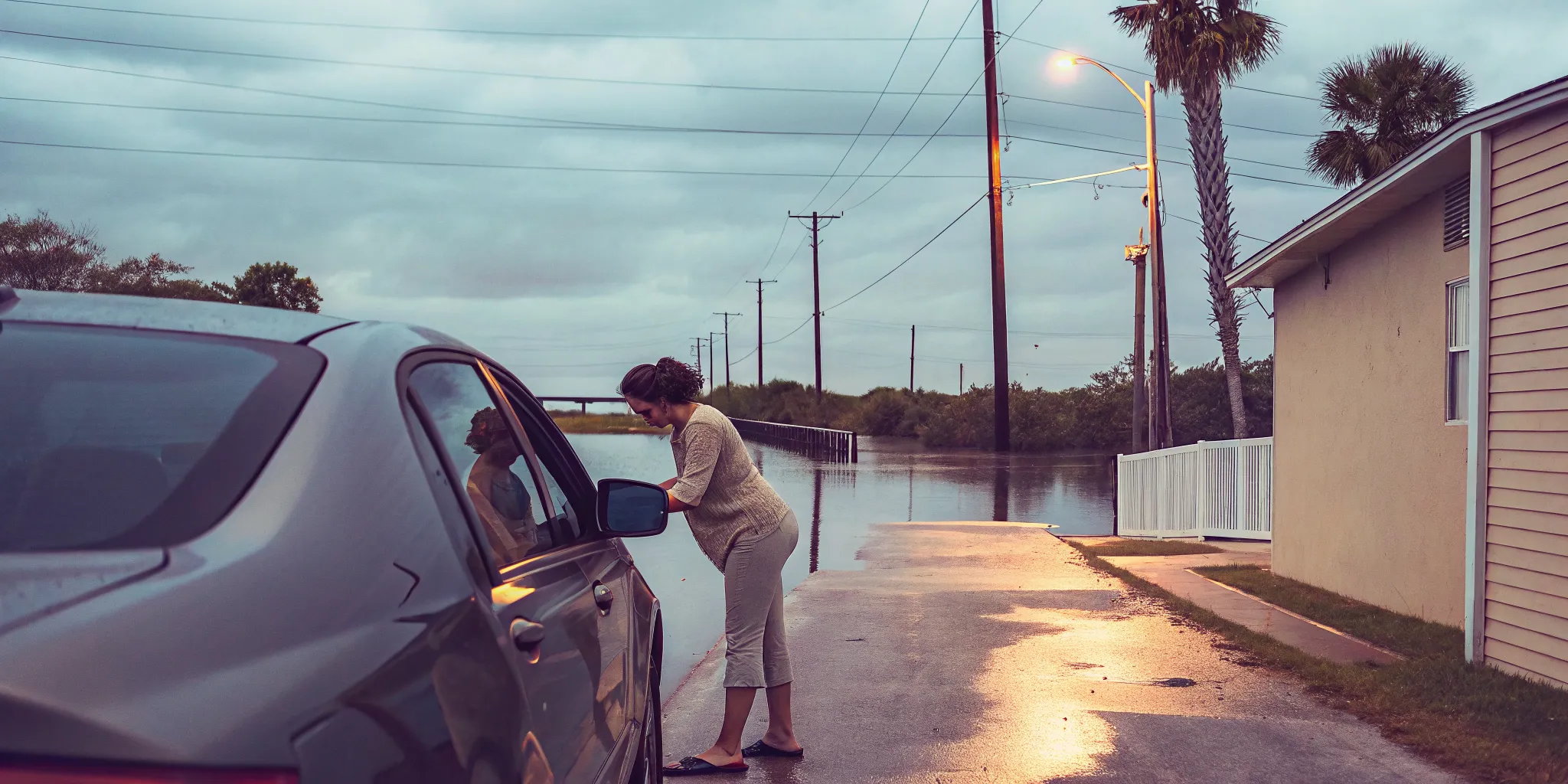
Inspect the exterior and look underneath before starting a storm-exposed vehicle.
Once the storm ends and local leaders say it is safe to travel, you must check your car. High winds and rising water often cause hidden harm. Take your time during this first look to avoid more cost and risk. Use a bright light and look at every part of your car from the ground up.
Check for signs of water damage
Flooding is one of the worst threats to a car during a storm. Start by looking at the ground near your car. Mud or a clear line on the tires can show how high the water rose. Open the doors and sniff the air inside. A damp or sour smell often means water got into the carpets or seats. Feel the floor mats to see if they are wet.
Check the trunk and the spare tire area as well. Water can hide in these low spots and cause rust or mold later. If you see signs of water inside the car, do not try to fix it alone. You may need a pro to pull out the seats and dry the frame. Following hurricane safety rules from the experts can help you stay safe after the clouds clear.
Look for outside harm and debris
Hurricane winds can turn small items into fast-moving tools that hit your car. Walk around the car and look for cracks or chips in the glass. Check the tires for nails, glass, or metal that might have blown into the area. Check the gaps between the hood and the body for leaves, twigs, or mud. These items can block air flow or hold water against the paint.
Even small scratches can lead to rust in the salty Gulf Coast air. If you see debris on the roof or hood, lift it off with care. Do not drag it across the surface, as this will scratch the paint. You can protect your car's exterior paint from many of these risks with a strong coating. This layer helps keep salt and grime from sticking to the body of your car.
When to leave the engine off
The most vital rule is to stay away from the key if you suspect flood damage. Starting an engine with water in the intake can ruin it in seconds. Look under the car for any new puddles or leaks. Check the oil and air filter for mud or droplets. If the dipstick shows a milky color, water has mixed with the oil.
If you are not sure if the car stayed dry, call a tow truck. It is better to pay for a tow than to replace a whole engine. A pro can check the wires and fuel lines for salt or sand. You can also visit our Gulf Coast car wash locations to get a deep clean once the car is safe to drive. We can help wash away the salt and dirt that storms leave behind.
Remove debris, salt, and storm residue safely
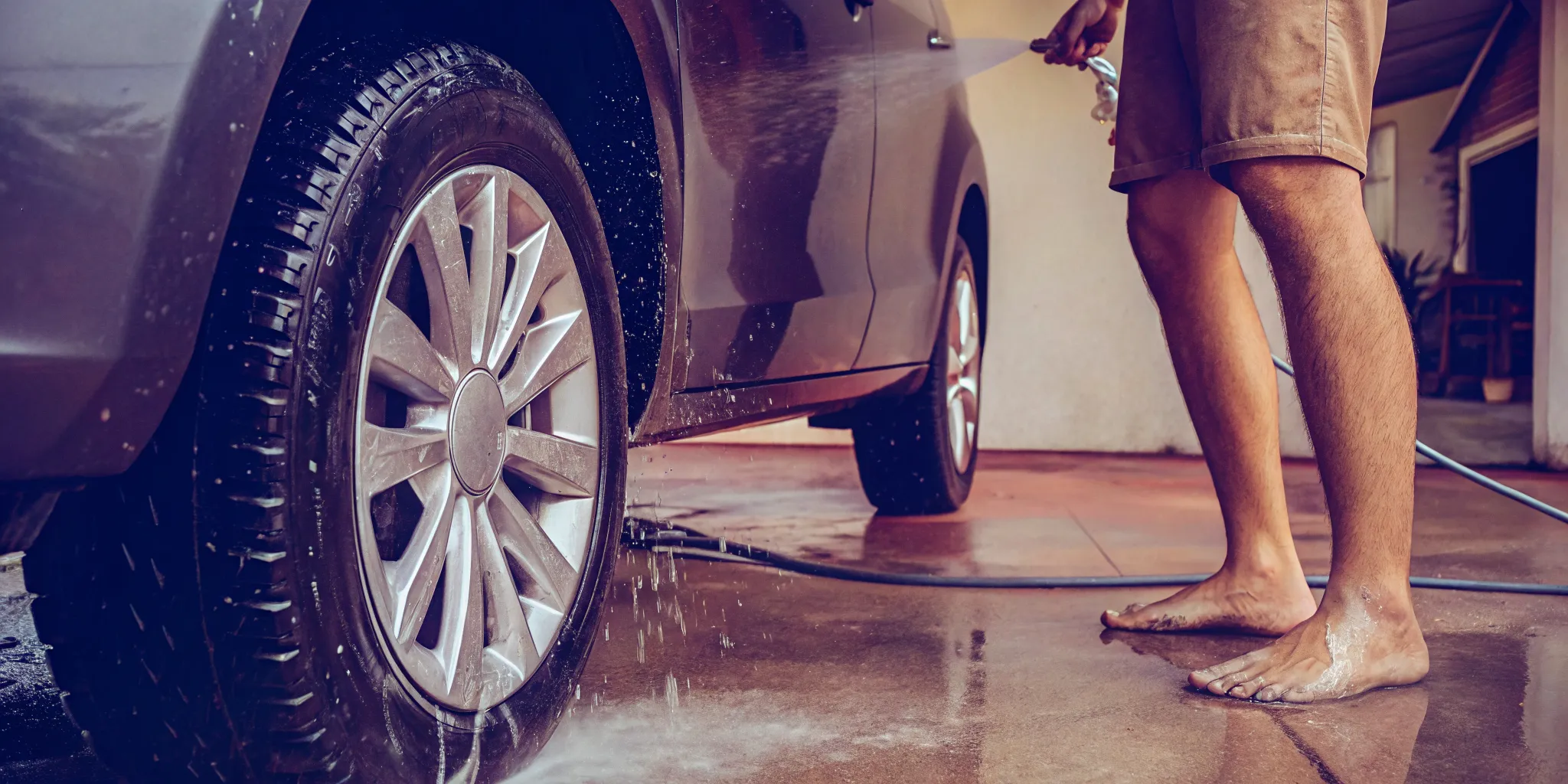
A gentle rinse helps lift loose salt and sand before washing.
Safe cleanup is a key part of . Large storms bring high winds and heavy rain to our local coast. These storms can happen from June to November. The Centers for Disease Control and Prevention says you should be ready for these storms well in advance. Once the wind stops, you must act fast to clear your car. Do not wait for the sun to bake dirt into your paint. Mud, sand, and salt can ruin your car's finish if they sit too long.
Handle loose debris first
Start by clearing large items by hand. Look for twigs, leaves, and trash that may have blown onto your car. Be very careful not to drag these items across the paint. Sharp edges on wood or plastic can leave deep marks. Use a soft touch to lift each piece straight up. This stops small rocks from marking the clear coat as you move things. Check the cowl near your wipers to make sure leaves do not block the air vents.
Do not use a brush to sweep away dry dirt. Gritty sand acts like sand paper on your car. If you rub dry grit into the paint, you will create swirl marks. These marks are hard to fix and can dull the shine of your car. Instead, let water do the heavy work. A soft stream from a hose is the best way to move loose dirt without risk. You should also check for any signs of damage on your glass or trim.
Rinse salt and sand away
Coastal storms push salt air and sand deep into every crack of your car. Even if you stay inland, wind can carry salt for many miles. This salt film can cause rust and eat through your car's shielding layers. You need to rinse the car well to get rid of this secret risk. Start at the top of the car and work your way down. This helps the dirt flow off the car rather than just moving it around. Frequent upkeep helps protect your car's outer paint and metal parts from harm.
Pay close attention to the seals around your doors and windows. Sand often hides in these rubber gaps and causes leaks over time. Rinse the wheel wells and the space behind your gas door as well. These spots trap mud and salt which can lead to early rust. Use plenty of low-pressure water to soak the dirt before you try to wipe it. Once the surface is wet, the grime will slide off much easier. This step is a vital part of your post-storm care routine.
Clean the frame and wheels
The bottom of your car takes the most abuse during a storm. Flood water and street runoff are full of oils and harsh acids. This dirty mix sticks to your frame and brakes. If you leave it there, it can eat away at vital parts of your car. A quick rinse with a garden hose may not be enough to reach every spot. You may need a high-pressure spray to knock loose the thick mud from the frame. This helps stop long-term rust and damage to your brakes.
Wheels and tires also need a deep clean after a big storm. Brake dust and road salt can pit the metal and ruin the look of your rims. Use a special wheel cleaner to break down the tough film. Avoid using harsh scrub pads that can scratch the finish. A soft cloth or sponge is better for most wheels. Keeping your wheels clean also makes it easier to spot any damage from road debris. Visit one of our Gulf Coast car wash spots for a full underbody flush.
Cleanup Method | DIY Hose Rinse | Professional Tunnel Wash |
Salt Removal | Removes surface salt only | Flushes salt from hidden gaps |
Frame Access | Difficult to reach centers | Full spray reach for frame |
Grit Safety | High risk if rubbing paint | Safe, high-volume water flow |
Time Spent | Thirty to sixty minutes | Five to ten minutes |
Drying Phase | Air dry leaves spots | Power blowers for spot-free finish |
Remember that a wash helps with cleanup but does not fix storm damage. If a branch fell on your car, a wash will only show the dent more clearly. But washing is a key step to prevent new problems. Salt and mud should never stay on your car for more than a day or two. By cleaning your car fast, you keep the value high and the paint bright. Stay safe and keep your car clean after the next big storm hits our coast.
When is professional washing or detailing appropriate?
General storm grime and light dirt are often easy to fix with a quick trip to the car wash. But big storms can leave behind tough messes that need more care. Knowing when to pick a fast wash or a full detail helps you keep your car in top shape during hurricane season. Pro care keeps salt air and mud from doing long-term harm to your paint or seats.
Routine exterior storm grime
Most cars only need a basic wash after a normal coastal storm. Strong sprays and special soaps work well to get rid of sand, salt, and dust. If you want to keep your car clean with no stress, think about an regular vehicle maintenance wash plan. This lets you wash off salt air as soon as the sun comes out. Quick washes work best for light dirt that has not been on the car for too long.
Heavy cleanup and interior care
Deep cleaning may be useful for ordinary mud, leaves, or dampness once a qualified professional has confirmed the vehicle is safe. Full detailing can address messes that a basic exterior wash might miss. However, flood water may carry contaminants and can damage electrical, mechanical, and safety systems. If flood water entered the cabin, do not assume detailing alone is enough. Arrange a qualified inspection and follow the professional's guidance before cleaning or driving the vehicle.
Safety and damage checks
Always check your car for big problems before you go to any wash. If your car has been in deep water, do not start it or wash it until a pro takes a look. Floods can cause deadly water hazards that ruin motors and wire parts. A wash cannot fix broken parts from a storm. Visit one of the Gulf Coast car wash locations only after you know your car is safe to drive. Pro cleaners can help with the look of your car, but they are not mechanics.
Build a reusable Gulf Coast storm checklist
Living on the Mississippi Gulf Coast means facing a long storm season from June through November. You cannot control when a hurricane or flood will hit, but you can minimize damage by being prepared. Having a set plan for your vehicle is key to staying safe and mobile. A reusable storm kit helps you move fast when a watch or warning starts. It also protects the value of your car from the wet and salty air that follows a coastal surge.
Stock your emergency car kit
Keep a bag in your trunk with items you may need if you have to leave quickly. This kit should have enough supplies for each person in your car. Include basic tools, a first aid kit, and water. It is also smart to keep a full tank of gas throughout the peak of the season. If a storm hits, gas pumps may not work due to power loss. A full tank ensures you can reach safety without waiting in long lines at the pump.
You should also pack items for your pets and basic paper maps of the coast. Your phone may lose signal or power, so having a map is a safe backup. Pack extra batteries and a car charger for your mobile devices. If you plan to protect your car's exterior paint before the season starts, a ceramic coating can add a layer of defense against small debris and salt air.
Secure your car and documents
Before a storm makes landfall, take clear photos of your car. Walk around the vehicle and capture images of the body, glass, and tires. These photos act as a record for insurance if a tree or flood causes damage. Store your car papers, insurance card, and title in a dry, sealed bag. Keep these papers with you rather than leaving them in the glove box. If the car is lost to a flood, you will still have the proof you need for a claim.
Move your car to high ground if you live in a low area. Avoid parking under large trees or near power lines that might fall. If you have a garage, pull the car inside and lock the door. For those without a garage, find a public parking deck or a spot away from signs and branches. Taking these small steps can stop a big loss before it starts. Always check with Gulf Coast car wash locations for a deep clean after the storm to remove salt and mud.
Frequently Asked Questions
Should I tape my car windows before a hurricane?
No, you should never tape your car windows before a storm hits. Tape does not stop glass from breaking in high winds and can make the cleanup much harder. If the glass breaks, tape can hold large shards together, making them more dangerous. To keep your windows safer, park your car in a sturdy garage or move it away from trees and loose items that could fly through the air during a storm.
How can I protect my car windows from hurricane winds?
The best way to protect your car windows is to store the vehicle in a garage or under a solid cover. If you must park outside, find a spot away from trees, power lines, and loose outdoor items. High winds can turn branches and lawn chairs into fast projectiles. According to Chubb, moving lawn furniture and other outdoor items inside helps lower the risk of flying debris hitting your car and breaking the glass.
Does comprehensive insurance cover hurricane car damage?
In most cases, comprehensive insurance does cover damage caused by hurricanes, including wind and flood harm. You should check your policy early, as many firms stop new coverage once a storm watch begins. According to Progressive, owners should verify their policy details to know what their plan pays for. It is also smart to take clear photos of your car before the storm to help prove its state if you need to file a claim.
Is it safe to drive my car during a hurricane?
No, it is not safe to drive your vehicle during a hurricane or major storm. High winds can flip cars, and rising water can trap you on the road. As little as 12 inches of moving water can sweep an average car off the road, according to Progressive. You should stay off the roads and follow all local orders to move to safety. Only drive once local leaders say the roads are clear and safe to use.
Find your nearest Classy Chassis location
Storms on the coast bring salt and sand that can ruin your car's paint in days if left alone and lead to deep rust. If you act fast after a storm to stop this harm, you will keep your car's value high and ensure it stays in top shape. Choosing to protect your car's outside paint now will save you from stress, high bills, and the salt that a big storm leaves behind. Taking care of your car now means it will stay shiny and strong for many years while you avoid the high cost of fixing deep rust. Do not let nature ruin your ride when a quick trip to the wash can stop the damage and keep your car safe.
Ready to call? Call +1 228-697-9173 to find your nearest Classy Chassis location.


Comments