

How to Remove Lovebugs From Car Paint Safely

Updated: Sep 15
How to Remove Lovebugs From Car Paint Safely
Swarms of lovebugs along Highway 90 can turn a hood into a graveyard of sticky splatter in minutes. Learning how to remove lovebugs from car paint quickly and gently helps Gulf Coast drivers protect the finish without causing scratches.
How to remove lovebugs from car paint is a vital skill for drivers on the Mississippi Gulf Coast because these insects have acidic bodies. When lovebugs strike your vehicle at high speeds, they burst and release fluids that can eat through your clear coat in less than forty-eight hours. To safely clean the residue, you should first soak the area with water or a special bug remover to soften the remains. Using a soft microfiber towel or a proper bug sponge helps lift the debris without scratching the smooth surface. For glass spots, a simple mix of one cup of vinegar and water in a spray bottle works well to break down the grime. Expert research shows that fast action is the best way to prevent permanent staining or peeling on your car.
While the cleaning process is simple, you must use the right tools to avoid making the damage worse. This guide explains how to remove lovebugs from car paint safely while keeping your finish shiny and smooth. The step-by-step process begins with a few basic supplies and a gentle touch.
How to remove lovebugs from car paint safely
Removing lovebugs from your car takes care to avoid paint damage. These bugs are very acidic, and their remains can quickly eat through your clear coat. You must act fast but stay gentle. If you wait too long, the sun can bake the bugs into the paint, leading to permanent stains or peeling. For the best results, use a soft touch and the right tools to protect your paint from lovebugs and keep your car looking new.
Prepare your vehicle for cleaning
Always work in the shade and make sure your car's surface is cool to the touch. Cleaning a hot car causes soap and water to dry too fast. This often leaves behind spots and streaks that are hard to remove. A cool surface gives your cleaning solution more time to work on the bug residue. Start by rinsing the car with fresh water to knock off loose dirt and grit. This step helps prevent scratches when you start to wash the body of the car.
Follow these steps to remove bugs safely
Pre-rinse the area with a steady stream of water to loosen the debris.
Apply a car-safe wash solution or a dedicated bug remover to the affected spots.
Let the cleaner soak for a few minutes so it can break down the acidic bug remains.
Use a soft microfiber towel or a bug sponge to wipe the area with light pressure.
Rinse the area thoroughly with water and check for any remaining spots.
Repeat the soak and wipe steps if the surface still feels rough or looks dirty.
Dry the area with a clean towel to prevent water spots and inspect your work.
Use the right tools and products
Avoid using harsh tools like steel wool or stiff brushes. These items will scratch your paint and ruin the finish. Stick to soft microfiber cloths and sponges made for cars. For very tough spots, you may need a specialized alkaline bug remover to help break down the enzymes without hurting the paint. If the bugs have bonded to the surface, consider professional car detailing services to restore the look of your vehicle without causing more harm. Taking immediate action is the best way to prevent permanent damage to your car paint.
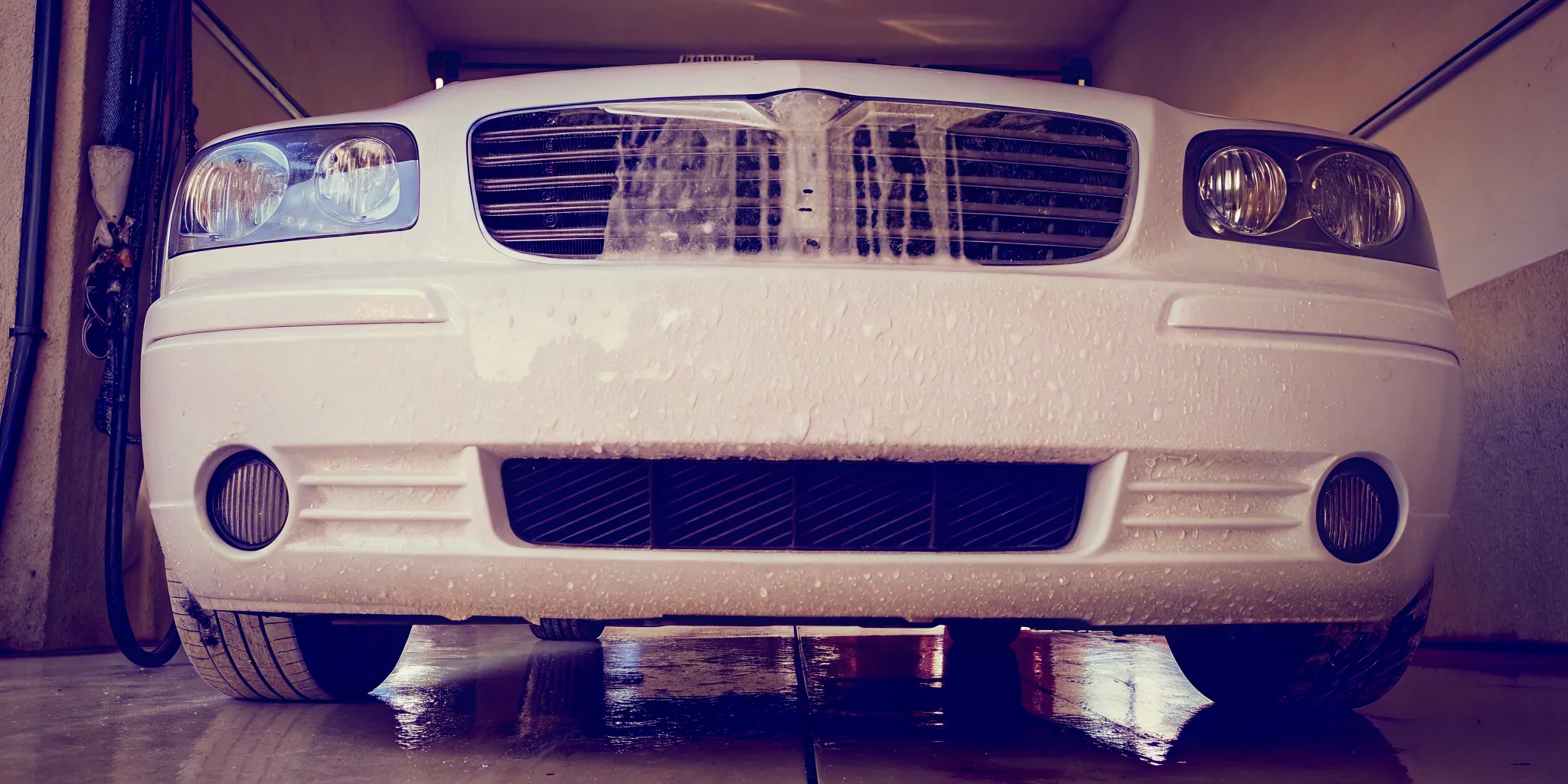
Soaking lovebug residue before wiping helps reduce the risk of paint scratches.
Why lovebug residue needs prompt attention
Lovebugs are a common seasonal pest on the Mississippi Gulf Coast. These insects do not bite or sting, but their bodies can harm your car. When these bugs hit your car, they leave behind a sticky mess. This residue is acidic and can eat away at your paint over time. If you do not act fast, you may face peeling, staining, or deep marks that are hard to fix.
How heat makes the problem worse
The Gulf Coast sun adds to the risk. High heat bakes the bug remains into your car. This helps the mess bond to your clear coat. Once this happens, the residue is much harder to scrub off. To stop this, you should clean your car as soon as you see bug splatter. Taking quick action is the best way to prevent permanent marks on your hood, bumper, and mirrors.
Risks to your lights and glass
Dried bugs do not just ruin your paint. They can also block your view and make driving less safe. A thick layer of mess on your windshield can make it hard to see, especially in the rain. These pests also pile up on your headlights. This buildup can dim your lights and reduce how far you can see at night. For the best safety, use a local car wash near you to keep your glass and lights clear.
Protection for your car's front end
Your grille and radiator are also at risk during lovebug season. Large swarms can clog the small openings in your grille. This blocks the airflow that your engine needs to stay cool. Over time, a clogged radiator can lead to heat issues for your motor. You can protect your paint from lovebugs and keep your car in top shape with regular care. Weekly washing can save you from big repair bills later.
Safe tools versus risky lovebug removal shortcuts
Removing lovebugs fast is the best way to stop paint damage before it starts. The acidic bodies of these bugs can eat into your car clear coat. This happens fast when they sit in the hot Mississippi sun. It might be tempting to grab what is in your garage. But the wrong tools can cause more harm than the bugs.
Safe ways to clean your car
You should use soft items and lots of water to lift bug residue. A clean cloth and car-safe soap are your best friends. These tools lift the grit without scratching your paint. For tough spots, an alkaline bug remover is a safe choice. These liquids are gentle on most car finishes. You can also protect your paint from lovebugs with a ceramic coating. This makes it harder for bugs to stick to your car.
Shortcuts you must avoid
Never use rough tools like steel wool or kitchen sponges on your paint. These items make deep marks that are hard to fix. You should also stay away from dry wiping. Rubbing a dry cloth over bug splatter grinds the hard shells into your finish. Some people try harsh house soaps like bleach. These can strip away your wax and dull your paint. To get a deep clean without the risk, look for professional car detailing services to do the job the right way.
Cleaning Method. | Why it is Best. | Possible Risks. |
Car-safe soap and water. | Lifts grime safely. | None when used with soft cloths. |
Microfiber towels. | Traps dirt without scratching. | Must be kept clean during use. |
Professional detailing. | Uses safe, high-grade tools. | Costs more than a home wash. |
Kitchen scrub pads. | Not recommended. | Causes deep paint scratches. |
Household bleach. | Not recommended. | Strips wax and ruins paint. |
If you are in a rush, a local car wash near you is the best way to get a safe, fast clean. Alkaline bug removers work well because they are more gentle than acidic ones. They help you get the job done without leaving behind harsh film. This keeps your car safe from harm as the seasons change on the Coast.
How should you clean lovebugs from different surfaces?
Many parts of your car need their own care when you clean lovebugs. These small pests can hit your glass, paint, and trim at high speeds. If you use the same way for every spot, you might leave streaks or cause harm. Changing how you wash each area will help you get the best results without hurting your car.
Glass and mirrors
Your windshield and side mirrors take the most hits from lovebug swarms. When these bugs hit your glass, they can smear and block your view. Do not use your wipers on heavy, fresh spots before you rinse the glass. Using wipers can spread the oily mess and make it harder to see. For a safe home fix, you can use a mix of one cup of vinegar and one cup of water. Spray this on your windows and let it sit for a bit to break down the grime. Clean, soft cloths are a must for glass areas to avoid fine scratches. Experts at the
say quick action is needed to prevent lasting damage from bug slime. If you wait too long, the sun can bake these bugs onto your glass. This makes them tough to remove. Always rinse the glass well with fresh water after you use any cleaning spray.
Bumper and grille
The front bumper and grille are the main spots for lovebugs on the road. These areas are mostly painted metal or plastic. You must be careful with the clear coat. Lovebugs have harsh bodies that can eat into your car's finish in just a day or two. Steady washing is the best way to remove these bugs before they bond to your paint. For tough spots, you may want to use mild bug soaps. These are safer than strong chemicals. To make future cleaning easier, you should think of a safety layer for your car. You can
by using a ceramic coating. This slick surface makes it much harder for bugs to stick. It also helps them wash off during a basic rinse. If your bumper is already covered in a thick layer of dried bugs, an expert wash is often the safest path.
Headlights and trim
Headlights and plastic trim need a soft touch to stay clear and bright. Strong soaps can cloud the plastic or dry out the rubber trim around your windows. When you clean these spots, always use a clean cloth. A microfiber towel helps you lift the bug parts away from the area instead of rubbing them in. If you are cleaning trim near the Mississippi Gulf Coast, salt air can also build up. A full rinse is always a good idea. For the best results, start from the top of the car and work your way down. This keeps dirty water from running over the spots you already cleaned. If the bugs are very stubborn, do not scrub hard. This can leave marks on your car. Instead, soak the area with a wet cloth for a few minutes to soften the mess. You can also visit a
shop to handle the hardest tasks.
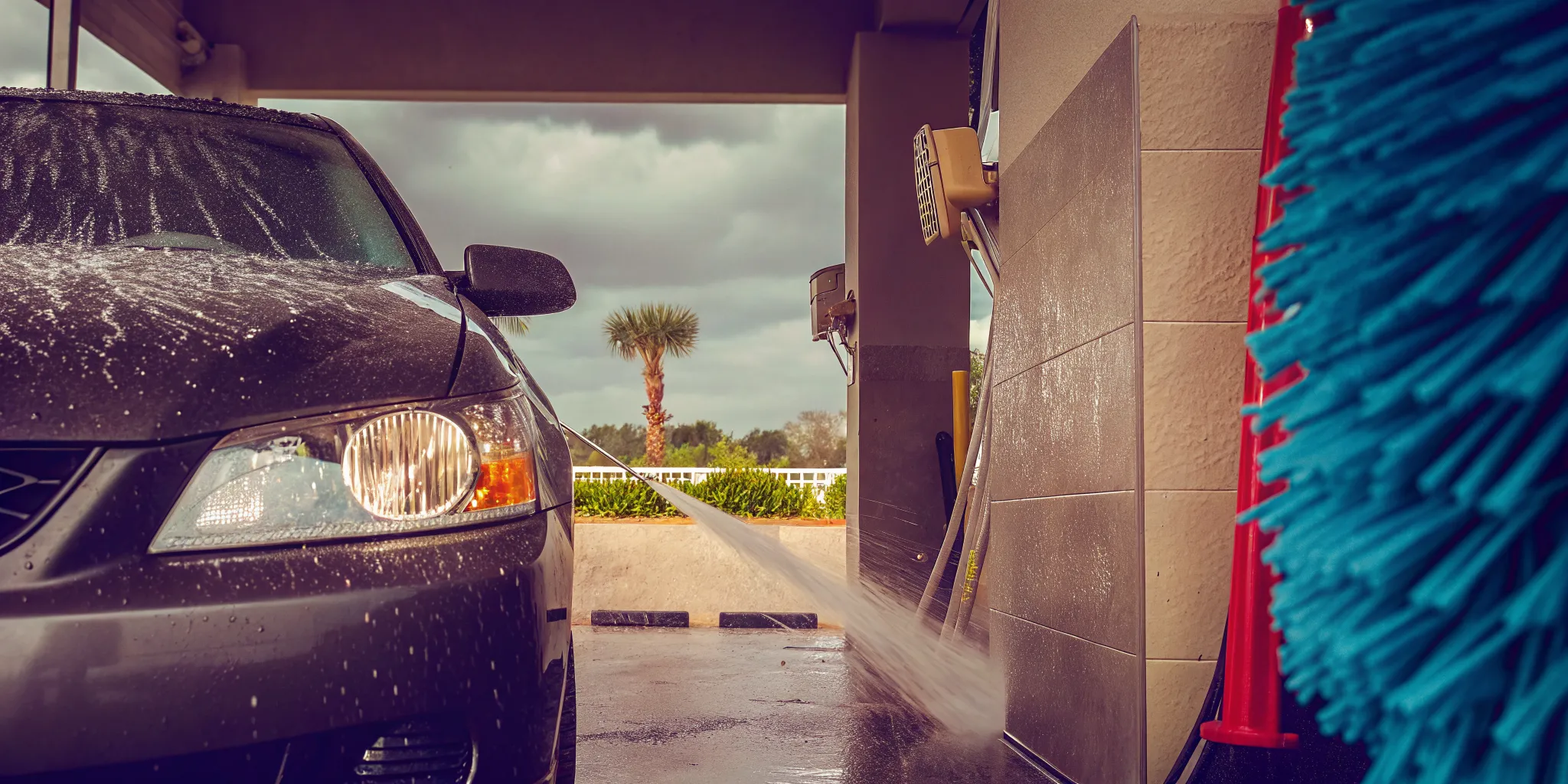
A protected, regularly washed surface can make the next round of lovebug cleanup easier.
How can Gulf Coast drivers make the next cleanup easier?
Stopping lovebugs from sticking to your car is much easier than scrubbing them off later. On the Mississippi Gulf Coast, these bugs are a common problem that can cause real harm. Their bodies are acidic and can eat away at your car's paint if you leave them for too long. To keep your car safe, you should try to stop them from bonding to your clear coat in the first place.
Protect your car paint early
One of the best ways to keep your car clean is to use a good wax or coating. A slick surface makes it hard for bug guts to stick. You can protect your paint from lovebugs by getting a professional ceramic coating. This layer acts as a shield between the bugs and your paint. It also makes your car easier to wash since dirt and grime slide right off.
Regular care is another key step. Experts suggest that immediate action is best to prevent permanent paint damage from bugs. If you keep a fresh coat of wax on your car, you give yourself more time to clean up before the damage starts. You can find these services at a local car wash near you in Biloxi, Ocean Springs, or Gulfport.
Keep simple tools in your car
You do not need a full shop of tools to handle a few bugs on the road. Keeping a small spray bottle and a soft cloth in your trunk can save you a lot of work later. For your glass, a mix of one cup of vinegar and one cup of water works well for removing bugs from a windshield or window. Just be sure to use a clean towel so you do not scratch the glass.
If you have been on a long drive through D'Iberville or Gautier, do a quick check of your front bumper and mirrors. Wiping off fresh splats with a wet cloth takes only a minute. If you wait for the sun to bake them on, you might need professional car detailing services to get the surface smooth again. Taking these small steps now will save your paint and keep your car looking great all year long.
When should you choose a professional car wash?
If you live on the Mississippi Gulf Coast, you know about lovebugs. These small pests can cover your car in a thick layer of sticky mess. You might try to clean them off at home, but some spots are hard to reach. If you still see bugs after a gentle wash, it is time to ask for help from a pro.
Stubborn spots and rough textures
Sometimes, your car still feels rough to the touch after you wash it. This often means bug guts have bonded to your clear coat. These pests have acidic bodies that can eat into your car paint. If they stay on the surface too long, they may cause peeling or staining that you cannot fix at home. You need a way to lift the mess without harming the shine.
When you look for how to remove lovebugs from car surfaces, you may find many home tips. But scrubbing too hard with a brush can leave deep scratches. If you see marks or feel any grit on the paint, you should see a pro. A team with the right tools can safely lift these spots. Expert cleaners use soaps that work well on bug proteins.
Avoiding paint damage and scratches
Strong cleaners break down the bond between the bug and your car. This is the best way to protect your paint from lovebugs and other local threats like salt air. If you worry about scratching your clear coat, a pro wash is the safest pick. We use soaps that are tough on bugs but kind to your car paint. This helps keep your car looking new for years.
At Classy Chassis Express Car Wash, we use custom soap mixes made for our local coast weather. We know how to handle the heavy mess that comes with the spring and fall bug seasons. If your own work does not get every spot, our professional car detailing services can help. We can get your car back to a smooth, clean feel.
When to visit a local site
You should seek help if you have a lot of bug splatter that covers your front grill. Letting these bugs sit in the hot sun will only make them harder to remove. The heat makes the acid work faster on your paint. It is much better to get a quick wash now than to pay for a new paint job later. We can help you save time and money.
We invite you to stop by any of our three locations in Biloxi, Ocean Springs, or Gulfport. Our family has served this coast for over 30 years. We know the unique needs of coastal car care. We can help you find the best wash or detail plan for your vehicle today.
Frequently Asked Questions
Why do lovebugs damage car paint?
Lovebugs can harm your car because their bodies are highly acidic. When they hit your car, these acids eat into the paint coating. This can cause peeling and dark spots if you do not wash the car soon. On the Mississippi Gulf Coast, the hot sun makes this damage happen even faster. According to the UTI, you should remove bugs fast to stop them from ruining your paint for good.
How do I remove lovebugs from my car?
The safest way to remove lovebugs is to use a gentle cleaner and a lot of water. You should let the bugs soak for a few minutes so they soften. Use a soft cloth to wipe them away without scratching the paint. For the best care, stop by Classy Chassi Express Car Wash for a quick wash. We use the right tools to clean your car and keep your clear coat safe.
Can I use vinegar to remove bugs from my car?
You can use a mix of half vinegar and half water to clean bugs off your glass. This works well for your windshield and windows. However, you should keep vinegar away from your car paint. The acid in vinegar might hurt the wax or the top coat of your paint. According to Bobby Rahal Toyota, this mix is perfect for glass but you should use other tools for the car body.
When should I get a professional car detail for bugs?
Get a professional detail if bugs have been on your car for a long time. Simple washes might not remove bugs that have bonded to the paint. If you see spots or stains after a wash, you need expert help. Our detailing team can lift deep dirt that a normal wash might miss. This helps prevent permanent paint damage. It is best to act fast before the Gulf Coast heat makes the stains worse.
How often should I wash my car during lovebug season?
You should wash your car at least once or twice a week during lovebug season. These bugs are very common on the Mississippi Gulf Coast in the spring and fall. Frequent washing prevents their acidic remains from sticking to your clear coat. According to Classy Chassi, a quick express wash is the best way to keep your car safe. Regular care is much cheaper than fixing paint that has been ruined by dried bug splatters.
Ready to stop permanent lovebug paint damage on your car today?
If you leave acidic lovebugs on your car, the hot sun will bake their remains into your clear coat in just a few short days. This rapid decay leads to deep pits and dark marks that can only be fixed by a costly paint job at a Mississippi body shop. Acting now will keep your car shiny and protect its trade-in value for a much lower price than a major repair or a new finish.
Ready to contact our team for help with your car right now? Visit our local wash sites today to find a convenient professional wash location and protect your paint from lovebug damage before it is too late.


Comments