

Car Wax vs Ceramic Coating for Gulf Coast Cars

Updated: Sep 15
Mississippi Gulf Coast heat, salt air, and humidity make the car wax vs ceramic coating decision more than a matter of shine. The right protection can reduce how quickly coastal exposure dulls a vehicle's finish, while the wrong routine can leave paint vulnerable between applications.
Car wax is an affordable, short-term layer that creates a warm shine but usually needs reapplication every one to three months. Ceramic coating bonds with the clearcoat, sheds water and grime more effectively, and can last for years. For Gulf Coast drivers seeking lower upkeep and longer protection, ceramic coating is usually the stronger fit.
The best option still depends on your budget, maintenance habits, parking, and plans for the vehicle. This balanced comparison explains where each choice performs well and what coastal drivers should consider before deciding.
Car wax vs ceramic coating at a glance
Car wax provides an affordable, warm shine for one to three months, while ceramic coating bonds with the clearcoat and can protect for years. Wax suits drivers who enjoy frequent detailing. Ceramic coating better suits Gulf Coast owners who prioritize durable water repellency, easier washing, and less frequent reapplication.
Choosing the right shield for your car is a big step. Both wax and ceramic coatings protect your paint, but they work in ways that are not the same. While wax sits on top of the paint, a coastal paint protection service bonds with it to create a hard, clear layer. This layer helps block dirt, bird mess, and sun damage for a much longer time.
Strength and how long it lasts
The biggest gap between these two is how long they stay on your car. Most car waxes only last for one to three months. In contrast, ceramic coatings can protect your car for two to five years. This is because they form a chemical bond that does not wash off well. Studies show that automotive clearcoats need this extra help to stop scratches and UV light from hurting the paint.
Wax is a good choice for people who like to work on their cars often. It gives a deep, warm glow that many owners love. But if you want a plan you do not have to check every week, the coating is better. It acts as a longer-lasting paint protection option by giving you a shield that stays strong through many washes.
Feature | Car Wax | Ceramic Coating |
Life Span | 1 to 3 months | 2 to 5 years |
Sun Protection | Blocks 50% of UV rays | Blocks 95% of UV rays |
Water Repelling | Moderate beads | High repellency |
Application | Easy DIY or pro | Pro service needed |
Cost | Low per use | High cost at start |
Daily care and upkeep
Care for your car changes based on which shield you pick. Wax needs to be put on again and again. If you skip a few months, your paint is at risk from the sun and rain. A coating needs less work over time. It makes the car slick, so dirt and grime do not stick as well. This means you can spend less time on chores and more time on the road.
Even with a coating, you still need to wash your car the right way. Using the wrong soap can dull the shine over time. But since the coating is so hard, it helps stop the small swirls you often see on older cars. It keeps that "new car" look for much longer than wax can.
Best choice for coastal drivers
For those of us on the Mississippi Gulf Coast, the air is full of salt and damp. These things can eat away at your car's paint if you are not careful. A wax can help for a short while, but the heat and salt air break it down fast. Coatings are made to stand up to this harsh coastal weather. They stop salt from touching the clearcoat, which helps stop rust and fading.
If you live near the beach, the sun is also a major threat. Intense UV light can make your car's color fade in just a few years. Because a coating blocks almost all UV rays, it acts like a high-grade sunscreen for your car. For many local owners, the extra cost at the start saves a lot of money on paint fixes later.
Why Gulf Coast conditions change the decision
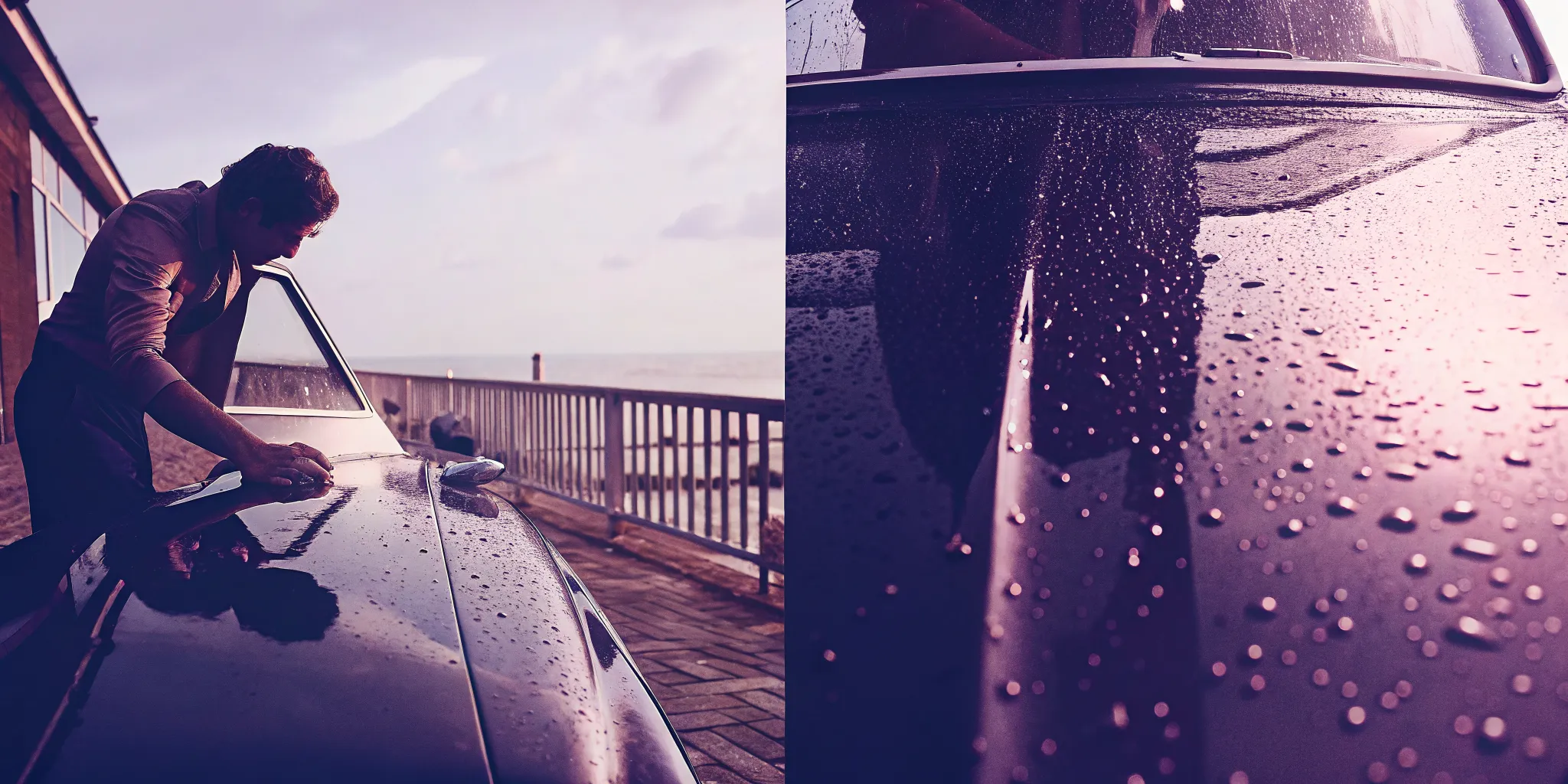
Gulf Coast vehicles regularly encounter strong sun, humid air, salt, storms, pollen, and beach sand. Those conditions can shorten the useful life of wax and increase the value of a longer-lasting coating. Drivers should compare protection based on where they park, how often they wash, and their coastal exposure.
Living on the Mississippi Gulf Coast means your car faces unique threats every day. The mix of salt, sun, and high humidity creates a harsh place for any vehicle. When you compare car wax vs ceramic coating, you must think about how each one handles local weather. A choice that works well in other states may not be enough for Biloxi or Gulfport drivers. Our coastal air can break down car products much faster than you might expect. Common coastal threats include:
- UV and heat:
Intense sunlight and summer temperatures can accelerate weathering.
- Salt air:
Coastal exposure can leave residue on the vehicle's finish.
- Humidity:
Moist air can keep contaminants on the paint longer.
- Rain and pollen:
Frequent storms and yellow pine pollen add to routine cleaning needs.
Fighting the heat and UV rays
The sun is one of the biggest risks to your car's paint in Mississippi. Intense UV rays can cause paint to fade or peel over time. Most clearcoats are only about 30 to 50 micrometers thick to protect the car from light and damage. While car wax can block about 50% of these rays, it often melts away in the summer heat. This leaves your paint open to harm during the hottest months when the sun is at its peak.
In contrast, a ceramic coating can block up to 95% of UV rays. These products create a shield against weathering that stays strong even when the ground gets hot. Choosing the right protection is about keeping your car's color bright for years. If you live in Ocean Springs or D'Iberville, you know how hot a car can get in an open parking lot. A coating keeps that heat from ruining your finish.
Salt air and high humidity
The salt air from the Gulf of Mexico is a silent threat to your car. Salt can stick to your paint and cause rust or wear. In an area with high humidity, this salt can stay wet on your car for a long time. This gives it more time to eat through your clearcoat and reach the metal underneath. For people near the water in Gautier or Pascagoula, this is a constant worry.
Standard car wax sits on top of the paint as a thin film. It can break down quickly when it meets salt and moisture. A a lower-maintenance protection option is a ceramic coating. These coatings form a long-term bond with your paint instead of just sitting on top. This bond keeps salt from reaching the clearcoat. It helps your car resist the rust that many coastal owners see on older cars.
Storms, pollen, and road debris
Our coast also sees a lot of heavy rain, storms, and yellow pine pollen. When it rains, water can trap dirt and pollen against your car. These items can leave marks or etch into the paint if they stay there too long. Car wax helps water bead up, but that effect only lasts for a few weeks in our stormy weather. You may find yourself needing to wax your car once a month just to keep it safe.
A a professionally applied ceramic coating has much stronger hydrophobic features that last for years. This means water and dirt slide off the surface much faster. This makes it harder for pollen or beach sand to stick to your car. Because the coating is so hard, it also offers better protection against small scratches from road debris. For drivers who use their cars every day on the coast, this extra layer offers peace of mind.
Local drivers also need to think about the time they spend cleaning their cars. In a place with so much dust and salt, a car gets dirty fast. A coating makes it much easier to wash your car at one of our locations. You spend less time scrubbing and more time enjoying the drive along the beach.
Which option offers better durability and protection?
Ceramic coating generally offers greater durability because it bonds with the clearcoat and can remain effective for years with proper care. Wax creates a temporary surface film that needs regular renewal. Neither prevents rock chips or eliminates washing, but both can help reduce exposure to everyday contaminants.
Picking between car wax vs ceramic coating often comes down to how much guard you want for your paint. A standard wax sits on top of the car. It acts as a thin layer to block dirt and light rain. But on the Mississippi Gulf Coast, your car faces much tougher tests. Salt air and high heat can wear down basic wax in just a few weeks. If you want a shield that lasts for years instead of months, you need a new plan.
Guard against coastal threats
Living near the water means your car is always at risk. Salt in the air can lead to rust and dull paint over time. High heat and UV rays are also big threats in our area. While wax blocks some of these rays, it often melts or wears thin when the sun stays hot. Studies show that car clearcoats are built to be thin, so they need a strong guard to stay safe from the sun.
An an expert ceramic coating acts like a hard glass shell. It does not just sit on top of the paint like wax does. Instead, it bonds with the clearcoat to create a much thicker wall. This shell stays strong against salt and wet air. It helps keep your car looking new even during our long, humid summers.
Lasting power and bonds
The biggest gap between these two is how long they stay on your car. You will need to put on a new coat of wax every one to three months to keep it working well. This takes a lot of time and work for most owners. If you miss a spot or wait too long, your paint is left open to the world. For many, a durable ceramic finish is a bond that lasts.
Ceramic coatings form a long-term bond with the car's skin. This bond is much harder to break than the thin film of wax. Most coatings can stay on for two to five years with the right care. They repel water and dirt so well that you do not have to wash the car as often. When you do wash it, the grime slides right off. This saves you time and keeps the paint safe from tiny scratches during cleaning.
The limits of car paint shields
While both options help, neither one is a suit of armor. You should know what a guard can and cannot do before you buy. A coating will stop bird droppings and tree sap from etching into your paint. It also helps block light swirls from washing. But it will not stop a rock from chipping your hood on the highway. No wax or coating can prevent that kind of hard impact.
Neglect is one more thing no product can fix. Even a great coating needs a quick wash now and then to stay clear. If you let salt and dirt sit for months, they can still harm the finish. Using the right soap and tools is key to keeping your shield in top shape. Think of these products as help for your car care. They are not a total fix, but they give the best results.
How do gloss and finish compare?
Wax is known for a warm, deep glow, while ceramic coating creates a crisp, glass-like shine and stronger water beading. The best-looking result depends on careful paint preparation. Because either product is transparent, cleaning and correcting the surface first matters as much as the protective layer applied afterward.
The visual result of a car wax vs ceramic coating depends on how the light hits the paint. Car wax gives a warm, deep glow that many classic car owners love. It fills in small gaps in the paint to create a smooth surface. This creates a rich shine that looks wet to the eye. But because wax sits on top of the clear coat, this look fades fast in the heat of the Mississippi Gulf Coast.
Deep glow versus mirror shine
A ceramic coating creates a different look. It bonds with the paint to form a hard, glass-like layer. This a professionally applied ceramic layer results in a sharp, mirror-like finish. While wax offers a soft depth, ceramic provides a crisp shine that makes the paint colors pop. This shield also helps protect the paint from the salt air and UV rays that can dull your car's look over time.
Surface slickness and water behavior
How the surface feels and sheds water is a major part of the finish. Ceramic coatings are very slick, which creates high surface tension. This causes water to bead up and roll off quickly. This hydrophobic effect keeps the car cleaner for longer. Traditional wax also sheds water, but the effect is less intense. Research shows that clear coats are prone to scratches, which is a common complaint for about 30% of car owners seeking better paint protection.
The role of paint prep
The final look of either product relies on the work done before the finish goes on. Since both wax and ceramic are clear, they show every mark or swirl in the paint. Getting a smooth, clean surface is vital to get the best shine. While a DIY wax can hide minor flaws, a professional ceramic application needs a deep clean and paint fix first. This ensures the professional ceramic coating bonds well and gives you a lasting, high-gloss finish that stands up to coastal humidity.
What upkeep does each option require?
Wax requires washing plus reapplication every few months, especially when coastal heat and rain accelerate wear. Ceramic coating still needs routine, gentle washing, but its slick surface makes grime easier to remove and its protection lasts longer. Neither option works well if salt, sap, or bird droppings remain unattended.
Choosing between car wax vs ceramic coating often comes down to how much work you want to do. While both offer a shield for your paint, they need different care routines. A a long-lasting ceramic coating like ceramic coating lasts much longer, but it is not a "set it and forget it" solution. You must still clean your car to keep that glass-like shine and high level of protection.
Weekly washing needs
Every vehicle on the Mississippi Gulf Coast faces salt air and high humidity. These factors can trap dirt and grime on your paint. For a waxed car, you may need to wash and dry it weekly to prevent the wax from breaking down too fast. Ceramic coatings are more hydrophobic, meaning they repel water and mud better than wax. This makes washing easier, but you still need regular detailing and car wash services to remove harsh surface pollutants.
Long term care tasks
Traditional car wax typically offers short-term protection ranging from one to three months. To keep your paint safe, you must reapply wax at least four times a year. In contrast, a a professional-grade coating can last two to five years before it needs a new layer. This long-term durability helps block up to 95% of UV rays, which is vital for vehicles parked in the hot Mississippi sun. To get the best results, follow this simple sequence for your vehicle upkeep.
- Rinse loose grit:
Use clean water to remove sand, salt, and dust from the surface.
- Wash gently:
Use the two-bucket wash method with a pH-neutral soap to protect the finish.
- Dry carefully:
Use a soft microfiber towel to reduce water spots and swirls.
- Inspect contaminants:
Spot-clean bird droppings, tree sap, and other bonded material promptly.
- Refresh protection:
Apply a compatible ceramic topper or a fresh layer of wax as needed.
Even with the best coating, regular checkups are key to lasting success. Studies show that ceramic coatings protect paint from environmental factors by creating a strong shield. By sticking to a clear plan, you can ensure your car looks great and stays protected against the unique challenges of our coastal roads.
How should you compare cost and value?
Wax costs less per application but requires repeat purchases and more frequent labor. Ceramic coating has a higher upfront price yet can provide years of service with proper maintenance. Compare total cost, time spent, coastal exposure, and how long you plan to keep the vehicle rather than judging price alone.
When you look at the price of car wax vs ceramic coating, the first thing you see is the upfront cost. Wax is cheap and easy to find, but it does not last long. A pro ceramic coating costs more at first, but it serves as a long-term shield for your paint. To find the best deal, you must look at how much you will spend over many years. You should also think about how much time you want to spend on car care.
Upfront cost versus long-term gain
A single hand wax service has a low price. It is a quick way to make your car look good for a few weeks. But this shield fades fast in the heat of the Mississippi Gulf Coast. Most car waxes only last between one and three months before they wear off. This means you have to pay for the work many times every year to keep your paint safe.
A a professional ceramic service is a pro ceramic coating. These coatings form a chemical bond with your paint that can last two to five years. While the first price is higher, you do not have to pay for repeat jobs every few months. Over five years, the total cost of many wax jobs often adds up to more than one ceramic coating.
Care and repeat work costs
You must also count the value of your time. If you wax your car yourself, you will spend hours every season doing the work. If you pay a pro, you have to drop your car off four to six times a year. A ceramic coating helps your life because it stays on the car. You only need to do regular washes to keep the surface clean and shiny. People who want a low-stress routine often find that ceramic is the best choice.
The choice between nearby Classy Chassis locations often depends on how long you plan to keep your car. If you plan to sell the car in a few months, a cheap wax might be enough. But if you want to keep your vehicle for years, the long-term value of a coating is much higher. It keeps the paint looking like new, which can help the car keep its resale value later on.
Protection value for your spend
Price is not just about the money you spend. It is also about what you get in return. Standard clearcoats on cars are only 30 to 50 micrometers thick. This thin layer is all that stands between your paint and the harsh sun. Research shows that car clearcoats are prone to scratches and UV damage from the elements. A coating adds a hard layer that helps stop these problems.
In a coastal area, the value of this extra layer is even higher. Salt air and high humidity can eat away at bare paint. A ceramic coating blocks up to 95% of UV rays, while wax only blocks about 50%. This better shield saves you from the costly price of paint repairs in the future. Investing more now can prevent damage from the Gulf Coast sun and salt later.
Which paint protection fits your vehicle?
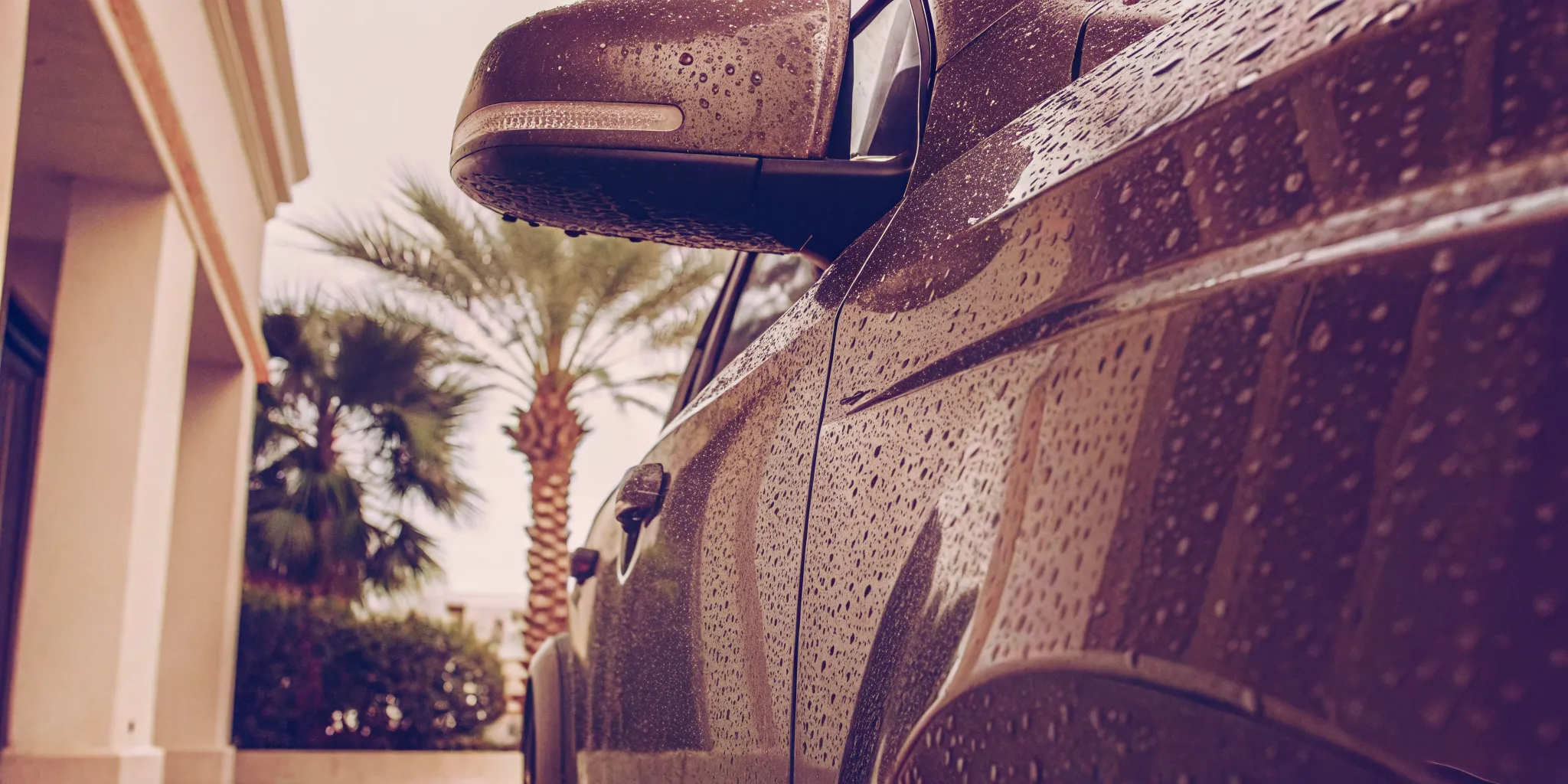
Wax can fit garaged vehicles, short ownership periods, tight budgets, and drivers who enjoy frequent detailing. Ceramic coating can fit daily drivers, outdoor parking, long-term ownership, and people seeking easier maintenance. Your best choice depends on real driving conditions and care habits, not a universal rule.
Choosing the right way to protect your car depends on how you use it and where you park. Your driving habits and local weather play a big role in this choice. Mississippi Gulf Coast drivers face high heat, salt air, and heavy humidity that can wear down paint quickly.
Think about your parking and driving
Cars that stay in a garage face fewer threats than those parked outside. If your car sits in the sun all day, it needs strong UV defense. A a bonded ceramic coating can block up to 95 percent of UV rays. Traditional wax only blocks about 50 percent of those rays, making it better for cars that stay under cover most of the time.
Think about how often you drive near the coast. Salt air is a constant threat to your vehicle's clearcoat. Academic studies show that a professional ceramic coating acts as a durable shield against climatic agents and salt. If you drive long distances or live near the beach, this extra layer of safety helps stop rust and fading before they start.
Consider your maintenance habits
Your choice also depends on how much time you want to spend cleaning your car. Wax needs to be put on every one to three months to stay effective. This is a good choice for people who enjoy the process of hand-washing and detailing their cars often. You can find local detailing and car wash services to help keep a wax finish looking its best.
If you want a low-care option, ceramic coatings are a better fit. They create a slick surface that sheds water and dirt easily. This makes your weekly wash much faster and keeps the paint cleaner between visits to the car wash. For many owners, the higher upfront cost of a coating is worth it because it lasts two to five years.
Look at your long-term plans
Are you planning to keep your car for a long time? A ceramic coating is a long-term investment that protects the value of your vehicle. It forms a hard glass shield that resists small scratches and stains from bird droppings or tree sap. This helps the car look new even after years of use on the Gulf Coast.
Wax is a smart pick if you plan to sell the car soon or if you have a tight budget right now. It provides a deep shine that looks great in the short term. No matter which path you take, keeping your car clean is vital. Regular washes help any protective layer last longer and keep your paint safe from the harsh coastal air.
Frequently Asked Questions
These quick answers clarify how wax and ceramic coating differ in bonding, longevity, UV protection, and overall suitability. Wax remains useful for short-term shine and flexible budgets. Ceramic coating is generally the better match when a Gulf Coast driver wants longer protection and less frequent reapplication.
What is the main difference between car wax and ceramic coating?
The big change is how each item sticks to your car, and wax sits on the paint as a short-term layer. Ceramic coatings form a strong bond to create a long-term shield that acts like a hard glass wall. As noted by Feynlab, ceramic tools offer better safety against salt air and wet weather on the Coast.
Does car wax last as long as ceramic coating?
No, car wax does not last as long as a coating because most waxes stay on your car for only one to three months. Ceramic coatings are much tougher and can last for two to five years because they bond with the paint. As noted by Turtle Wax, you must apply wax often to keep the paint safe in hot and wet areas.
How do ceramic coatings protect against UV rays compared to wax?
Ceramic coatings provide much higher UV safety than wax by blocking up to 95 percent of harmful rays. Common car wax usually only blocks about 50 percent of these rays, which is a huge gap for sunny areas. Strong UV light can fade your paint over time, but using a coating helps keep your car looking new for years.
Is ceramic coating better than car wax?
It depends on your goals for your car, but ceramic coating is better if you want long-term safety and less work. It shields your paint from salt, sun, and dirt for years, while wax is for those who like frequent cleaning. However, pro tools like Classy Ceramics are made for the Coast and offer a level of guard wax cannot match.
Ready to shield your car from the Gulf Coast salt air?
Classy Chassis Express Car Wash helps Gulf Coast drivers choose practical paint protection for their vehicle, budget, and maintenance routine. If long-term gloss and easier cleaning matter most, ask about ceramic coating options and the preparation, care, and expected results involved before scheduling your service.
The salt air and hot sun on the coast can quickly fade your car paint. This can lead to rust and high repair costs if you do not act now. A hand wax will not last long against harsh conditions, but a ceramic coating provides a shield for many years. When you book your service today, you can stop damage before it starts and keep your vehicle clean and shiny for the road ahead.
Ready to request a ceramic coating quote? Our team is here to help you protect your car for the long haul. Click here to request a ceramic coating quote and keep your vehicle safe today.


Comments